



Lesotho has marked International Assistive Technology Day with a call to invest in local skills and manufacturing, as government admits that people with albinism, wheelchair users and those with hearing impairments are still unable to access the devices they need.
BY LEMOHANG BOTSANE
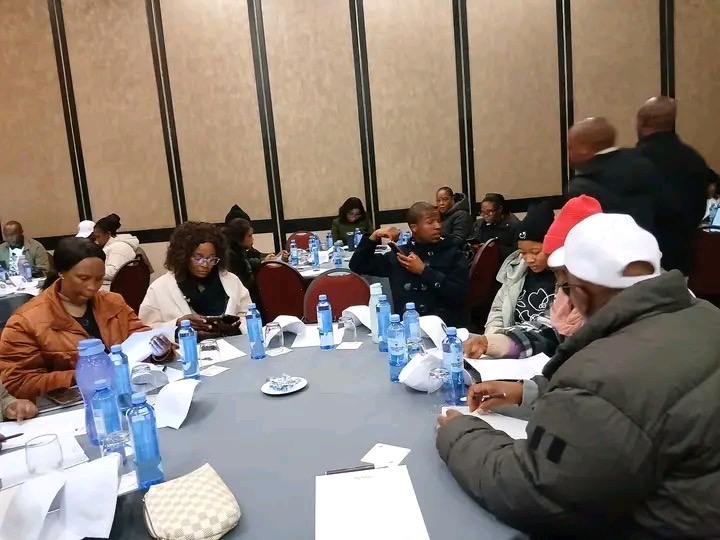
The Ministry of Gender, Youth and Social Development marked International Assistive Technology Day on Thursday under the theme “Strengthening Local Innovation and Technical Capacity for Sustainable Access to Assistive Technology,” bringing together government officials, disability organisations, development partners and students in Maseru.
Minister Pitso Lesaoana said assistive technology, which includes wheelchairs, hearing aids, low-vision devices and sunscreen for people with albinism, was central to protecting human dignity, independence, equality and inclusion. He acknowledged, however, that access remained severely constrained for many Basotho.
People with albinism frequently cannot obtain sunscreen or low-vision devices, leaving them exposed to serious health risks and excluded from education and employment. Wheelchair and hearing aid users face prolonged delays, and when devices break down, the absence of local repair services interrupts daily life and participation in communities.
“If we invest wisely and work with partners, our local institutions can become centres of excellence. They can train skilled professionals, support local manufacturing, and create products that are made for Lesotho’s needs.”
Lesaoana said the most sustainable solution was to train Basotho to design, build, assemble, adapt, repair and maintain assistive devices locally. He added that local production would also serve as a buffer during emergencies when international supply chains were disrupted. “If we invest wisely and work with partners, our local institutions can become centres of excellence,” he said. “They can train skilled professionals, support local manufacturing, and create products that are made for Lesotho’s needs.”
Principal Secretary Mahlapane Makakole said access to assistive technology was now recognised as a fundamental component of inclusion, particularly in education and community development. She stressed that progress required collaboration across government, civil society, schools, development partners, the private sector and device users themselves. “For people with disabilities to live full lives, they need the right tools,” she said. “But this cannot happen if government works alone.”
Representing the Lesotho National Federation of Organisations of the Disabled (LNFOD), Kopano Ts’ilonyane welcomed the growing recognition of assistive technology as a human rights issue. “This event shows that Lesotho is serious about treating assistive technology as a basic right, not a privilege for a few people with disabilities,” he said.
Ts’ilonyane praised the Ministry of Education and Training for providing assistive devices to deaf learners at Motsekuoa Primary School, and called on government to develop and implement a national assistive technology policy grounded in a human rights approach that prioritises accessibility, participation and reasonable accommodation for persons with disabilities.
United Nations Resident Coordinator in Lesotho Taija Kontinen-Sharp said decisions made by leaders had a direct bearing on whether people could move independently, communicate, attend school, secure employment and live with dignity. “Assistive technology is not only about disability,” she said. “It is about human rights.”
Kontinen-Sharp also highlighted the economic dimension of the issue, noting that local production and innovation could generate employment, strengthen communities and contribute to national development. She urged all stakeholders to translate commitments into action. “We cannot have inclusive development without the full participation of persons with disabilities and strong partnerships in every sector,” she said.
The event closed with calls for increased training, investment and local innovation to ensure that no Mosotho is excluded from full participation in society because of a lack of access to assistive technology.