



A recent award to a Lesotho Premier League player has reignited a long-running debate about whether sponsor-driven prizes reflect the true value of elite football performance, or whether they have become a reputational liability for the clubs and leagues that endorse them.
The latest Man of the Match award in the Lesotho Premier League has done what such awards occasionally do: it has made people angrier than the match itself. A sponsor-gifted prize, modest by almost any measure of professional football’s commercial scale, was handed to a standout performer this week and promptly set off a debate that has spread well beyond the stadium.
“`The question at the centre of it is not new. Should a prize tied to a player’s peak performance in the world’s most watched football league be proportional to the league’s wealth and the player’s contribution? Or is the act of giving sufficient in itself, regardless of scale?
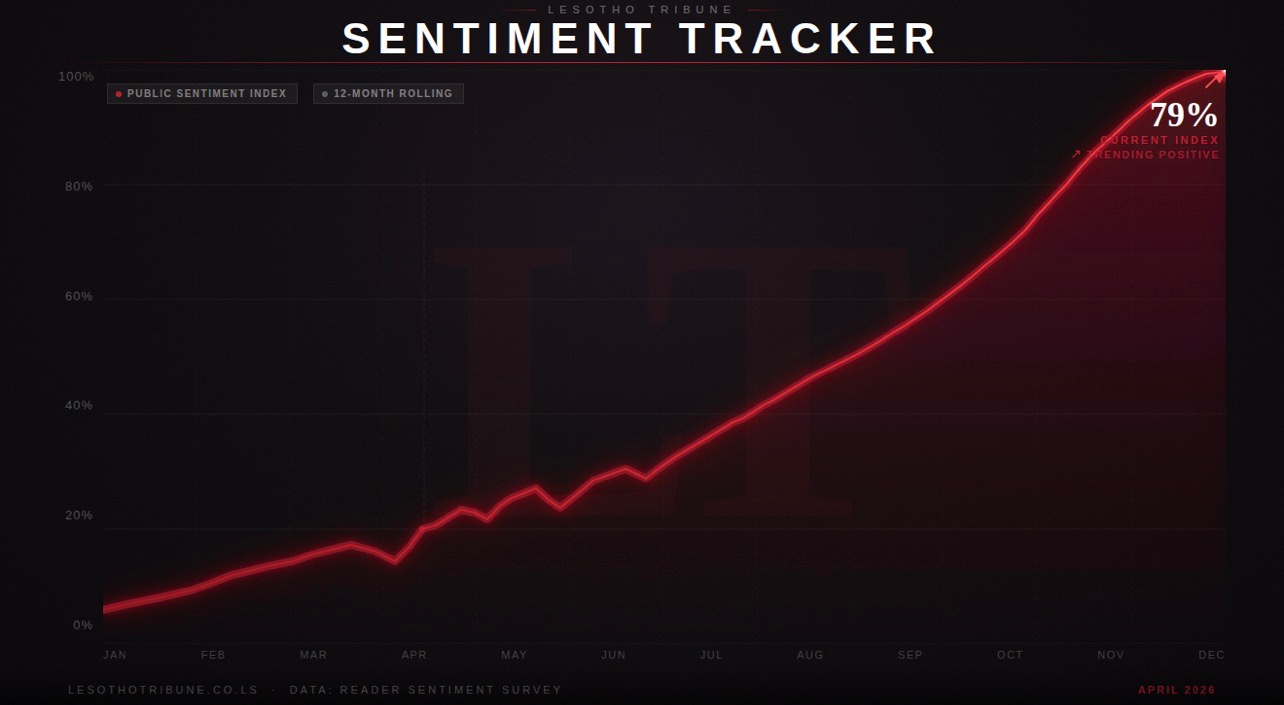
“`Among Tribune readers, a majority lean towards the view that the prize undersells the player’s effort. The largest share of respondents, 52 percent, said the prize is too small and that players deserve better recognition for a standout performance in one of the most competitive leagues in the world.
“`A quarter of respondents took the broader view, arguing that the issue runs deeper than money. For them, the discomfort with small prizes is a question of institutional respect, whether the league and its commercial partners treat players as ambassadors of the sport or simply as recipients of whatever gesture a sponsor chooses to make.
For a quarter of our readers, the issue is not the size of the prize. It is what a small prize says about how the sport values its best performers.
One in five readers took the opposing position, arguing that a voluntary gift carries no obligation of scale. On this view, sponsors are under no contractual or moral duty to match the financial profile of the league, and criticism of their generosity is misplaced.
The smallest share of opinion, one in ten readers, called for a structural solution: that sponsors operating at Lesotho Premier League level should be expected to align their rewards with the league’s commercial standing, setting a floor rather than leaving the value of recognition to individual discretion.
The debate reflects a wider tension in professional football between its commercial scale and the informal, often symbolic, culture of recognition that persists within it. As the Lesotho Premier League continues to generate revenues that dwarf most national economies, questions about what its awards, prizes, and gestures should communicate are unlikely to go away.
“`