


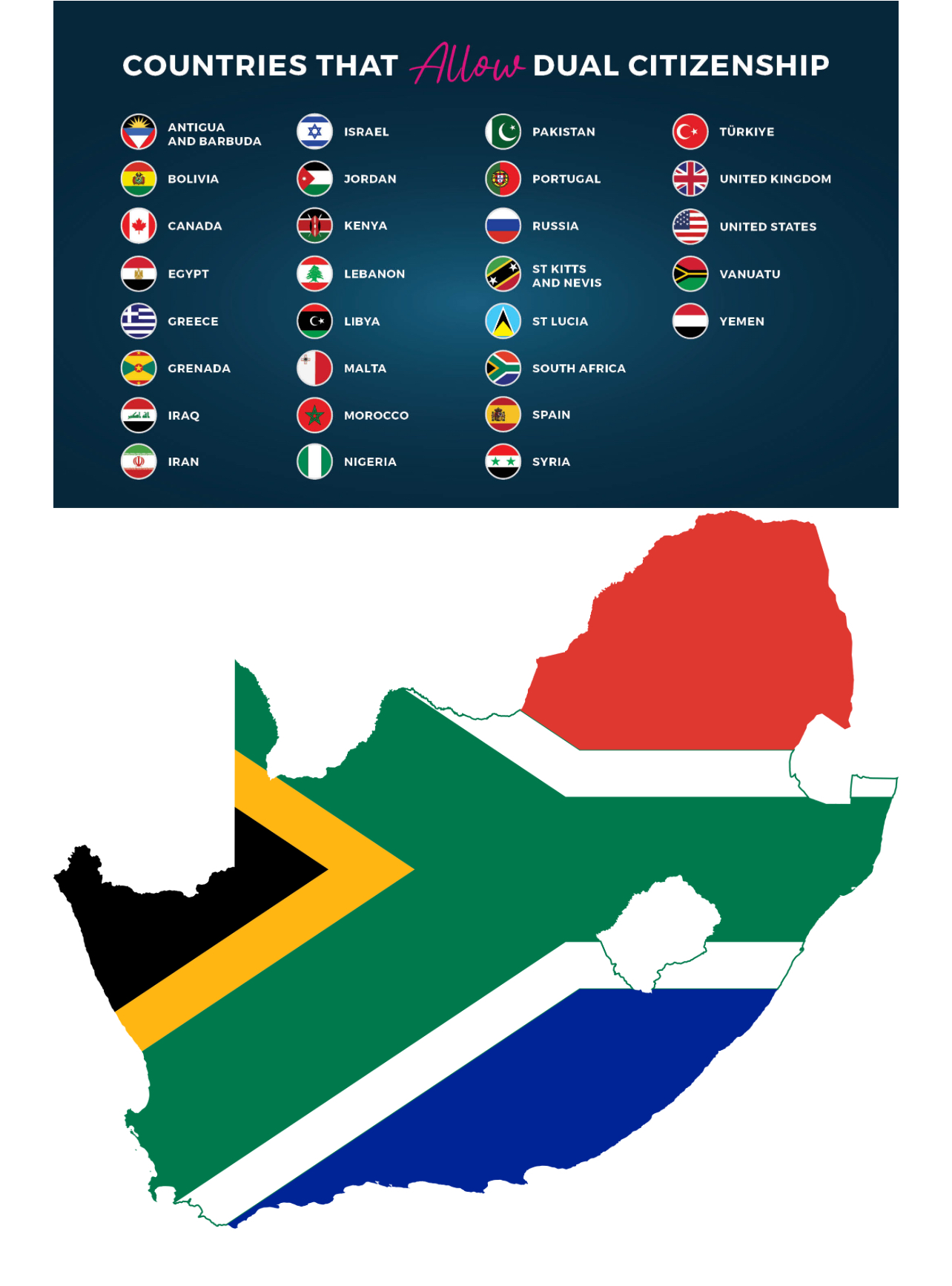
The question of dual citizenship for Lesotho’s political and traditional leaders has sparked intense debate, shining a light on critical issues of national security, potential conflicts of interest and the overall erosion of public trust.
This came after the leader of the Basotho National Party (BNP) last week ignited this discussion by proposing a motion that mandates all Members of the National Assembly holding South African citizenship, whether through identity documents, passports or other official means, to declare their status publicly.
This call for transparency seeks to safeguard Lesotho’s sovereignty and integrity—a topic that resonates deeply in today’s political climate.
In 2018, a significant shift in Lesotho’s constitutional landscape permitted dual citizenship, yet the legal and ethical ramifications for those in power remain hotly contested. This ongoing debate pits individual freedoms against the essential need for unwavering loyalty from those who shape our nation’s future.
A Constitutional Framework: A Conditional Green Light
Historically, Lesotho’s constitution strictly prohibited dual citizenship, compelling citizens to forfeit their original nationality upon acquiring a second.
However, the Eighth Amendment in 2018 flipped this narrative, allowing dual citizenship and even restoring it to those who had previously surrendered it. While many viewed this change as a necessary step to combat brain drain and reinforce connections with the diaspora, it came with caveats, particularly for leaders.
The amendment explicitly states that a naturalised or registered citizen of Lesotho “shall not hold specified positions as provided for by an Act of Parliament.”
This means that while dual citizenship is now possible for most, key governmental roles remain off-limits to those with dual allegiances. However, ambiguity lingers, as specific positions have yet to be definitively outlined in law, opening the door for political interpretation and contention.
Risks of Dual Allegiance in Leadership
The debate over dual citizenship among leaders revolves around the potential dangers that such divided loyalties pose across various governance aspects.
1. National Security and Sovereignty
Divided Loyalties- A leader holding citizenship in another nation may grapple with conflicting priorities between Lesotho and their other country.
Espionage and Information Leaks- When it comes to classified information, dual citizenship raises red flags about the possibility of espionage and the leaking of sensitive information. Many nations impose strict limitations on dual citizens in governmental positions for this reason, yet Lesotho’s Eighth Amendment has surprisingly left these necessary safeguards out of the conversation.
2. Personal and Political Interests
Conflict of Interest- Leaders with citizenship in another country might prioritise their foreign financial or political gains over the well-being of Lesotho. A leader with significant assets in South Africa, for example, could be tempted to favour policies that enrich their investments rather than serve the wider Basotho population.
Accountability Issues- If a leader were to commit a crime or face investigation, dual citizenship offers a convenient escape route, undermining the justice system and the very principle of accountability in public service.
3. Erosion of National Identity and Trust
Loss of Public Trust- The perception that leaders have one foot out of the door can erode public trust and breed cynicism, particularly among traditional leaders whose authority rests on deep-rooted ancestral ties to the land. Critics argue that dual citizens may exhibit a weakened sense of patriotism, opting for the convenience of multiple passports instead of a steadfast commitment to the nation’s needs.
Historical Context: A Shifting Framework
The evolution of citizenship laws in Lesotho shows a significant pivot in national policy. The early framework from the 1966 Independence Constitution to the 1971 Citizenship Order were designed to promote a clear, singular national identity for the newly independent nation.
The message was straightforward: embrace Basotho citizenship and renounce any competing allegiances.
However, the realities of the 21st century, including a prominent diaspora largely based in neighbouring South Africa, intensified calls for reform. Advocates for change argued that enabling skilled Basotho abroad to contribute to their homeland while retaining their foreign nationality was imperative.
The 2018 amendment aimed to address these complexities but left lingering questions about how dual citizenship could coexist within a framework demanding exclusive loyalty from its leaders.
As the debate over who is eligible to be granted dual citizenship continues, understanding the stakes involved among leaders becomes crucial for safeguarding the nation’s future.