



MASERU
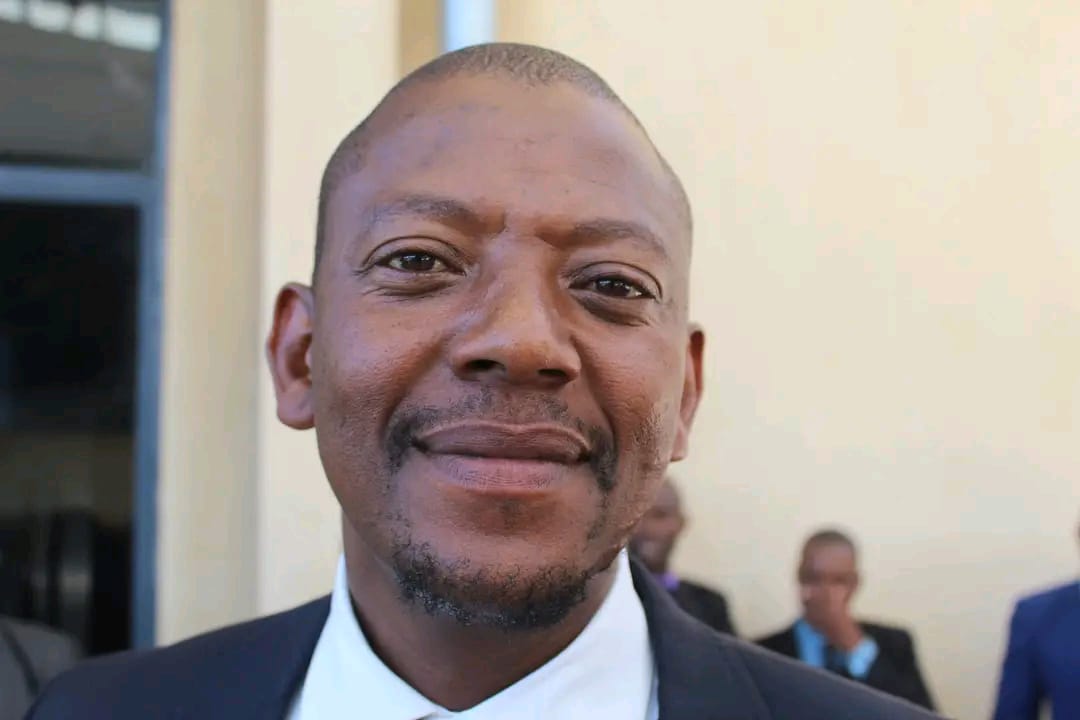
Principal Chief Peete Lesaoana Peete has launched a cynical attack on the National Assembly, accusing it of repeatedly dismissing the input of traditional leaders in key national reforms.
Speaking after the passage of the 10th Amendment Bill to the Constitution, Chief Peete expressed deep frustration that suggestions from the College of Chiefs were ignored, warning that the tendency is not only disrespectful but dangerous for the future of Lesotho.
“We pour our energy into this work, only for our efforts to be erased. It is senseless,” he said.
The Chief argued that while politicians often serve party interests, traditional leaders act as neutral guardians of the people’s welfare. Yet, their advice and recommendations are repeatedly side-lined in favour of political gain.
One of the most serious omissions, according to Chief Peete, was a proposal to clearly define the roles of Chiefs versus Councillors. He warned that political influence has shifted too much power to councillors, leaving chiefs stripped of their authority.
“We are being reduced to spectators in our own communities,” he lamented.
Chief Peete cautioned that sidelining traditional leaders risks creating deep divisions in society, as communities lose confidence in chiefs who no longer have power to act on their behalf.
He accused Parliament of weakening traditional structures that have long provided stability in Lesotho, simply to satisfy short-term political interests.
On a positive note, the Chief welcomed Lesotho’s removal from the Southern African Development Community (SADC) watch list, saying it was a sign of progress. However, he remained vigiliant, insisting that reforms must include the voices of chiefs if they are to succeed.
His tone darkened again when he spoke about the Inheritance Bill, which was recently passed by Parliament. He described it as “a wound left open,” claiming policy maker rushed it through to attract foreign funding, particularly from the United States.
“This Bill was not properly researched. Its long-term effects on Basotho families have not been studied, and yet it was pushed through in the name of progress,” he said.
Traditional leaders have long complained of being side-lined in national politics, but Chief Peete’s comments mark one of the strongest public criticisms yet. His warning suggests growing frustration within the chieftainship, which still orders deep respect among rural communities.
As Parliament moves forward with new laws and reforms, the battle between traditional authority and modern politics is likely to intensify.
For now, Chief Peete’s voice has shone a spotlight on an issue many say cannot be ignored: the place of chiefs in a changing Lesotho.
“We must be heard, or history will judge us harshly,” he concluded.