


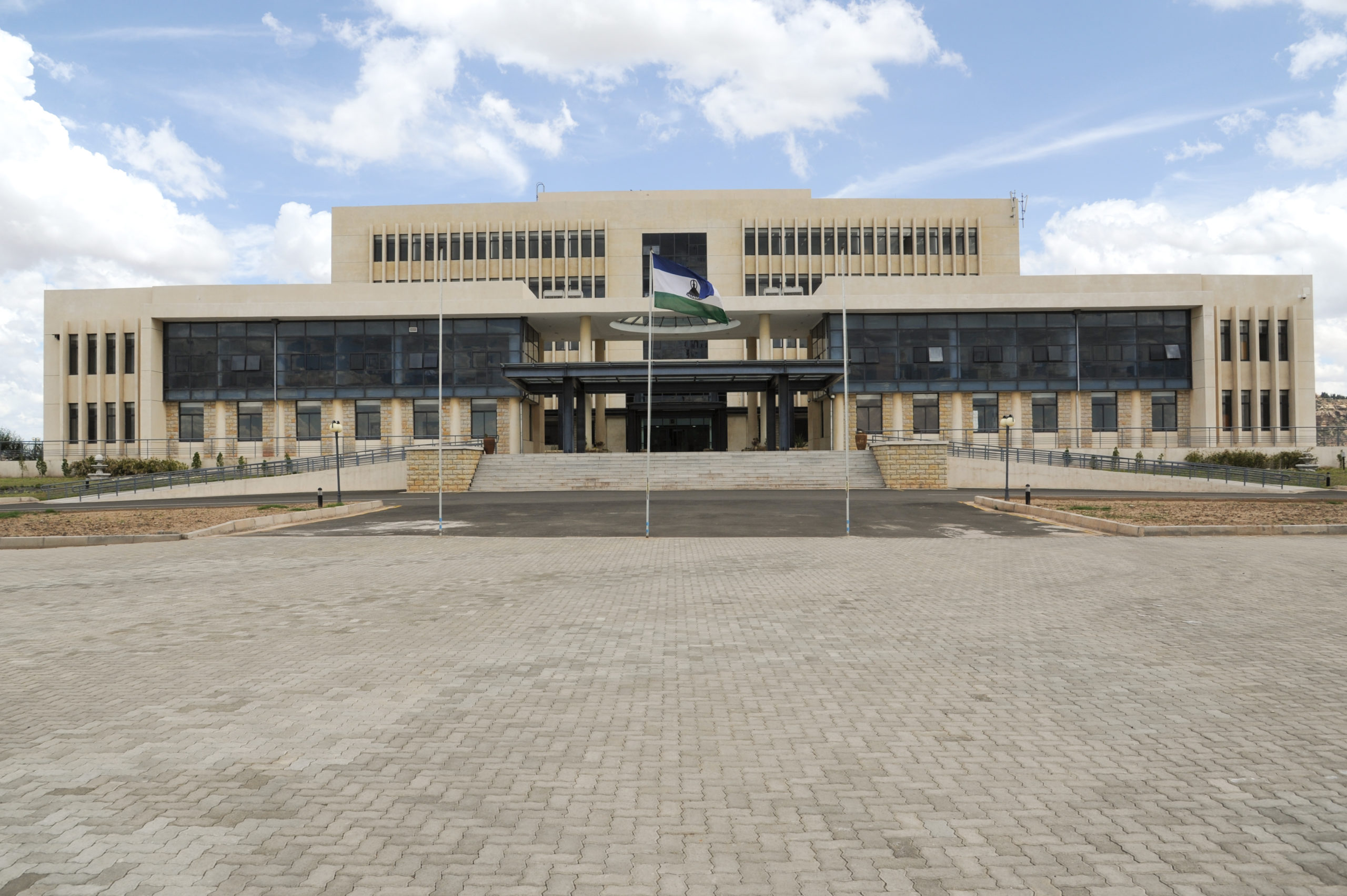
Maseru
The African Parliamentary Press Network (APPN), a network of journalists and information officers, in collaboration with MISA Lesotho has reached an important agreement; only recognised journalists will be granted access to parliamentary sittings, in-house and external activities and Parliament-related assignments.
The APPN operates under the umbrella of the Parliamentary Network Africa (PNAfrica) and serves as its media coordination arm. It advocates for parliamentary openness and aims to foster a strong, cordial working relationship between parliaments and the media. It also champions freedom of expression and ensures media access to information within legislative environments.
Since it started operations, the network has established partnerships with various national parliaments to formalise media relations and improve information flow
MISA Director General, Kananelo Boloetsi, has told Lesotho Tribune that accreditation has always been a requirement for journalists reporting on Parliament.
“This is not unique to Lesotho—it is a global standard. Journalists covering any major institution are accredited and during elections, for example, accreditation has always been routine and uncontroversial,” Boloetsi said.
He informed that the sudden change of things, as journalists were no longer required to produce accreditation cards when they entered parliamentary premises, had opened doors for anyone who wished to walk into parliament claiming to be a journalist, hence the meeting that led to the restriction.
“This is a national key point and allowing unrestricted access presents an obvious security risk. It undermines the credibility of the media. When individuals who are not journalists gain entry under that guise and behave inappropriately, their conduct is attributed to the profession and damages its reputation.”
Boloetsi said as Parliament works on the issue of accreditation cards, media houses have been requested to confirm their journalists so that they can be granted access to the Parliament premises.
“For freelancers who are not attached to any media house, we agreed that they will be confirmed by either MISA Lesotho or APPN,” Boloetsi informed.
The country has approximately 27 licensed radio stations and several media houses, including around 10 weekly newspapers but it has not yet been guaranteed if all are licensed by the Lesotho Communications Authority (LCA).
On the issue of freelance journalists, there has not been any precise official count as many freelancers operate informally because there is no single mandatory government registration or licensing body specifically for individual freelancers. Therefore, anyone can generally claim to be a journalist.
The general consensus from media reports is that there is a handful of freelancers, with the industry being difficult to navigate.
For this and other reasons, the two media bodies need to decide who qualifies as a freelance journalist and the qualities that would make them eligible for accreditation.