


Maseru
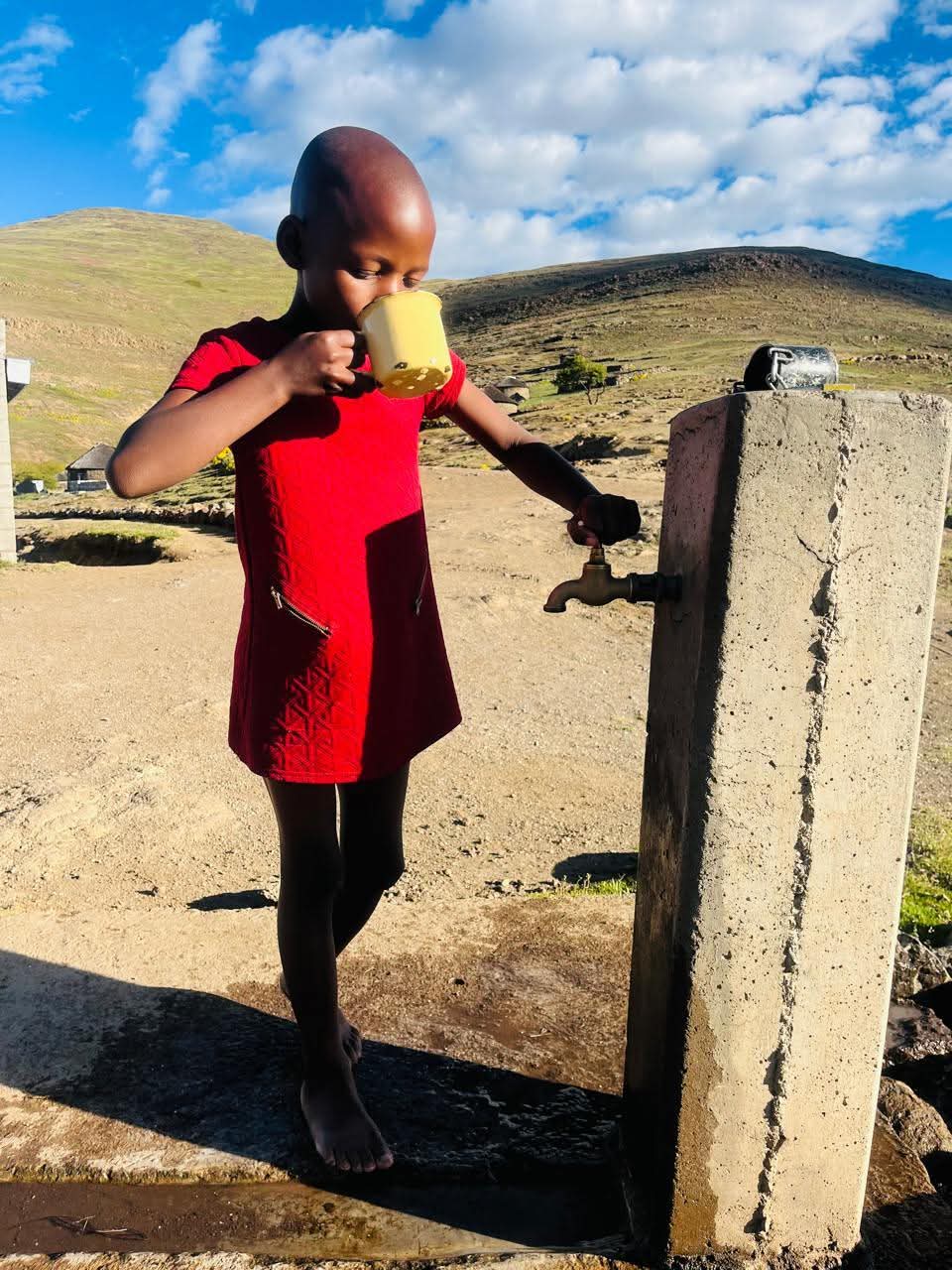
The Catholic Relief Services’ (CRS) Strengthening Public Participation in Wash and Clean Energy Developments in Lesotho, a three-year project, has found that large portions of the rural population of Basotho remain without access to safe drinking water, adequate sanitation and reliable energy services.
These gaps, the findings of the project further inform, affect health outcomes, school attendance and overall development of communities, affecting mostly female people, persons with disabilities and other marginalised groups.
Other gaps include limited community voice in policy-making decisions and a growing clean-energy market that communities often cannot access or influence; therefore, the project addresses these realities by strengthening public participation while ensuring communities are not just beneficiaries but active contributors to sector governance.
The survey study behind the project says these challenges are compounded by climate change, a rising pandemic in recent times, with recurring droughts affecting water availability and floods causing damage to existing WASH infrastructures.
To combat these challenges, the CRS, with financial backing from the EU is implementing the three-year project that seeks to empower civil society organisations, community-based organisations and local community structures to take a leading role in shaping, advocating for and supporting the implementation of equitable and sustainable WASH and clean energy policies and programmes.
In his presentations at a breakfast meeting called by the EU to give a progress report on the four projects implemented by the union, Ntoi Tṣ̌ehlana, a representative of the CRS said this project was implemented in the districts of Butha-Buthe, Quthing, Mohale’s Hoek and Leribe and has been running since June 2025.
The project, Tṣ̌ehlana said, was designed to ensure communities are meaningfully involved in shaping and monitoring WASH and clean energy policies and programmes, building the capacity of CSOs, CBOs and community structures to address these sectors ‘needs, strengthening coordination between societies and government, while equipping civil society to lead public-private engagement.
The CRS believes that if civil society and community structures receive advocacy capacities, if coordination platforms are created or revitalised and civil societies understand the clean energy private-sector landscape, “then communities will have stronger representation, better solutions and meaningful participation in WASH and energy decisions.”
This is because when people have the skills to participate, they can influence policies, improve accountability and help drive sustainable service delivery.
The implementation approach of the project has been grounded in four principles; human rights-based and participatory approaches, gender equality and social inclusion, multi-stakeholder coordination and practical action grants that will enable Civil Society Organisations (CSOs) to implement targeted advocacy, outreach or demonstration activities.
“The CRS Capacity Strengthening model will be at the core of our implementation, not only to provide capacity building but to ensure adequate institutional strengthening for the participating CBOs and provide accomplishment as they implement their advocacy plans. This approach will ensure sustainability beyond project implementation,” Tṣ̌ehlana said.