



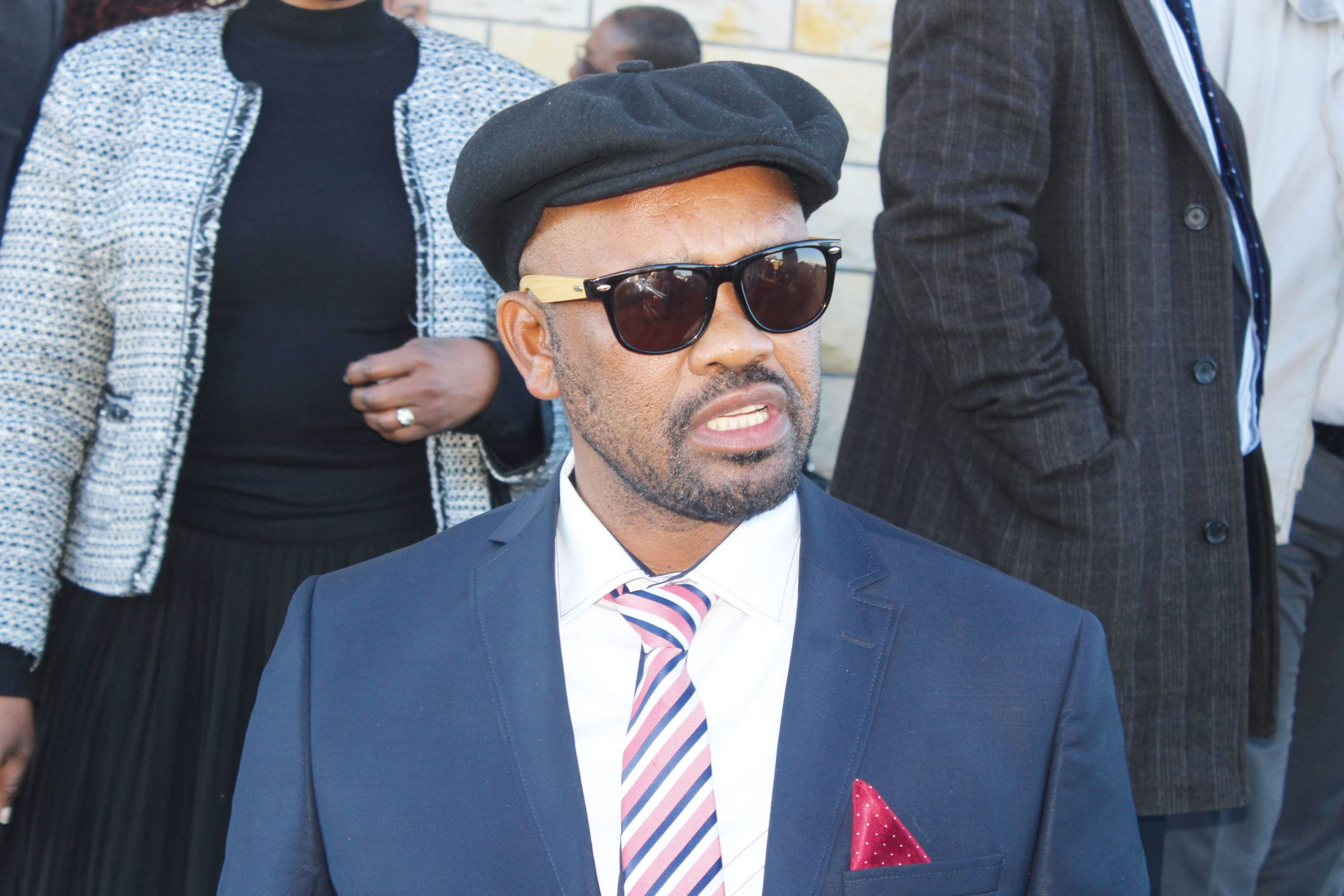
SECTION 2, notoriously known for taking the law seriously as The Advocates for the Supremacy of the Constitution, could not just sit and watch the Matekane-led administration use unjust practices to shut down Basotho’s grievances undemocratically this week.
The advocates strongly condemned what they described as “unlawful practices” by the police and the prime minister’s Office regarding public processions. They alleged that these actions violate human rights and undermine constitutional rights and democratic principles.
This came after MPs in parliament this week engaged in a bitter debate, expressing their displeasure at how the prime minister was allegedly doing things against the law to protect himself from public protests.
The debate was motivated by several attempts by different groups who wished to protest against the government but were rejected by the police on some excuse that they needed to first seek permission from the prime minister himself before marching to him; a new thing everyone has ever seen until the current government.
“Instead of denying the workers the right (to protest), the police should set conditions to ensure nothing is vandalised and people’s lives are not put in danger,” Tṣ̌itso Cheba, MP for Makhoroana, who later tabled an urgent motion condemning police restrictions on demonstrations, said.
‘Machabana Lemphane-Letsie, leader of HOPE and Chairperson of the Public Accounts Committee (PAC), weighed in heavily in the debate, saying there are laws that have been designed to govern protests, assuming that the conditions that the police are giving, signalling instability, do not appear in any of the laws.
In its statement, just like the house, SECTION 2 says it was deeply concerned about these reports of police contradicting the Public Meetings and Processions Act No. 14 of 2010.

According to them, the decision to grant or refuse permission lies with the police who are entrusted to provide written reasons for any refusal based on exceptional and compelling circumstances.
The advocates of the Supremacy of the law alleged that by denying the Basotho this permit, the prime minister’s office was actively working to suppress the right to peaceful assembly, claiming that officials in his office are tasked with persuading the people to abandon their plans, an act that Section 2 describes as a “blatant abuse of authority.”
The advocates have now raised concerns about the appointment process of the individuals within the prime minister’s Office who are allegedly interfering with the right to protest. They raise concerns of transparency in their recruitment process, demonstration of competence or merit involved in their appointment.
To strengthen their accusations, SECTION 2 cites the Lesotho Chamber of Commerce and Industry and Others vs the Commissioner of Police and Others case where Justice Peeteheld that police should generally grant permission for marches/protests or processions unless there are exceptional circumstances related to public safety and order. Therefore, disagreement with the purpose of any of these or its political sensitivity should not be grounds for refusal.
SECTION 2 demands that the police make decisions on notices within two days, provide written reasons for any refusal of permission and that the police cease referring individuals to the Prime Minister’s Office and start doing their job.
They encourage individuals whose previous notices were frustrated by these alleged practices to resubmit their notices of intention to hold processions at least seven days in advance, urging the police to prioritise these notices and make decisions as required by law.
This statement by SECTION 2 underscores the importance of upholding constitutional rights and ensuring that public officials act within the bounds of the law. Their demands call for greater transparency and accountability in the handling of public assemblies and processions.