



MASERU
Tempers flared in the Senate this week as lawmakers sounded the alarm over what they described as a “lawless liquor trade” that is spiralling out of control and endangering lives across Lesotho.
The debate, which quickly grew heated, laid bare deep concerns that liquor traders are operating without respect for the law, opening late into the night and creating hotbeds of crime and risky behaviour in local communities.
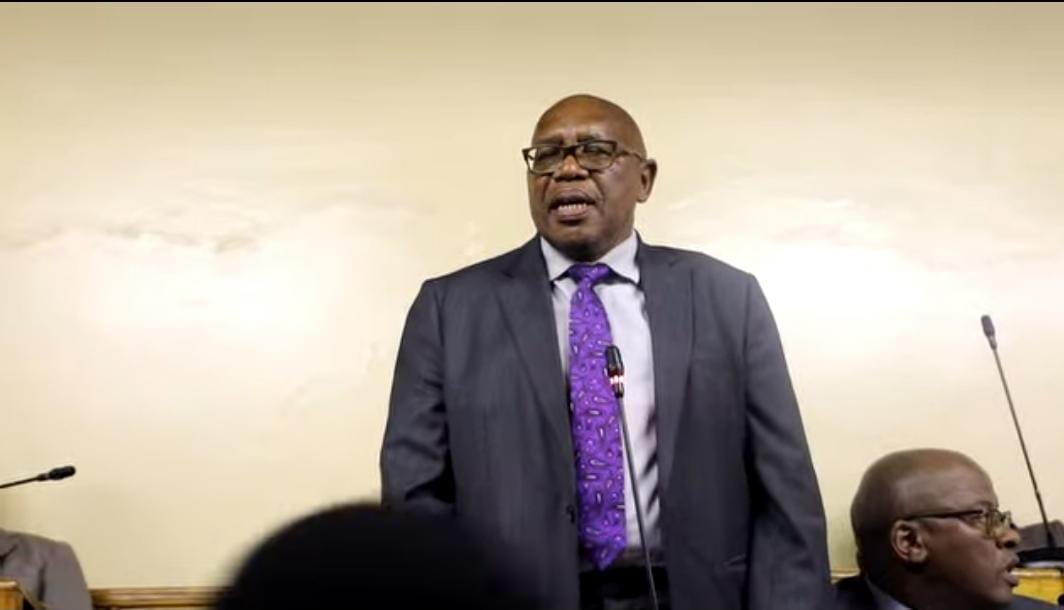
Leading the charge was Senator ‘Mabataung Mokhathalawho stood up to press the Leader of the House, MatjatoMoteane, on what action government is taking through the Ministry of Tourism, Culture, Youth and Sports, the ministry responsible for licensing and regulating liquor outlets.
“Every day, as members of these communities, we see what is happening,” Mokhathala declared.
“Liquor businesses open whenever they want and no one seems to stop them. Around these places, prostitution is rampant and used condoms are being thrown everywhere. This careless behaviour is a direct danger to public health.”
Her blunt words drew nods of agreement from other Senators who argued that the growing culture of unregulated drinking is tearing at the fabric of society.
Senator ‘Makholu Moshoeshoe added her voice, warning that the consequences go far beyond noise and disorder.
“These establishments are hazardous,” she said.
“They do not just harm the people living nearby, even the customers themselves are at risk. The reckless behaviourthat happens in and around these places is putting everyone in danger. We need action now, not later.”
The Senators painted a miserable picture, neighbourhoods disturbed late into the night, families worried about children walking past drinking spots and vulnerable people drawn into cycles of alcohol abuse and risky sexual encounters.
Some Senators noted that while the law clearly sets limits on when liquor can be sold, in practice, those rules are widely ignored. Traders often keep their doors open well past legal hours, some operating as though they are untouchable.
Mokhathala pressed further, asking Moteane whether the ministry has inspectors or monitoring systems in place.
“Communities feel abandoned,” she said.
“We cannot continue watching while our people’s health and safety are put at risk.”
The Leader of the House acknowledged the seriousness of the concerns and promised to convey them to the ministry. However, Senators insisted that words are no longer enough. They demanded visible enforcement, rom shutting down illegal outlets to holding business owners accountable.
The debate also touched on the public health crisis that unchecked liquor trading fuels. Easy access to alcohol, Senators argued, worsens domestic violence, increases road accidents and exposes young people to exploitation.
“Too many young men and women are falling victim,” Moshoeshoe said.
“What starts as a night out too often ends in violence, disease or broken homes. That is the reality on the ground.”
The Senate discussion comes at a time when many Basotho are voicing frustrations about alcohol outlets mushrooming in every corner, from small villages to busy towns. Community leaders have long complained that these businesses are eroding social values and putting pressure on an already fragile health and policing system.
By the end of the debate, Senators were united on one point; government can no longer look the other way. They urged the ministry to roll out clear enforcement measures, tighten licensing procedures and work hand-in-hand with police and local councils to bring back order.
For now, though, residents continue to live with the noise, litter and dangers that accompany unregulated drinking spots. And unless swift action follows, Senators warned, the lawless liquor trade will keep thriving at the expense of public safety.
“Every day we delay is another day our people suffer,” Mokhathala concluded.
“The ministry must step in before it is too late.”