



At a glance
- Senegal beat Morocco 1–0 in extra time in the AFCON 2026 final
- CAF’s Appeal Board overturned the result, awarding Morocco a 3–0 default win
- Senegal refuses to return the trophy and does not recognise CAF’s ruling
- CAS has confirmed receipt of Senegal’s appeal and will rule “as swiftly as possible”
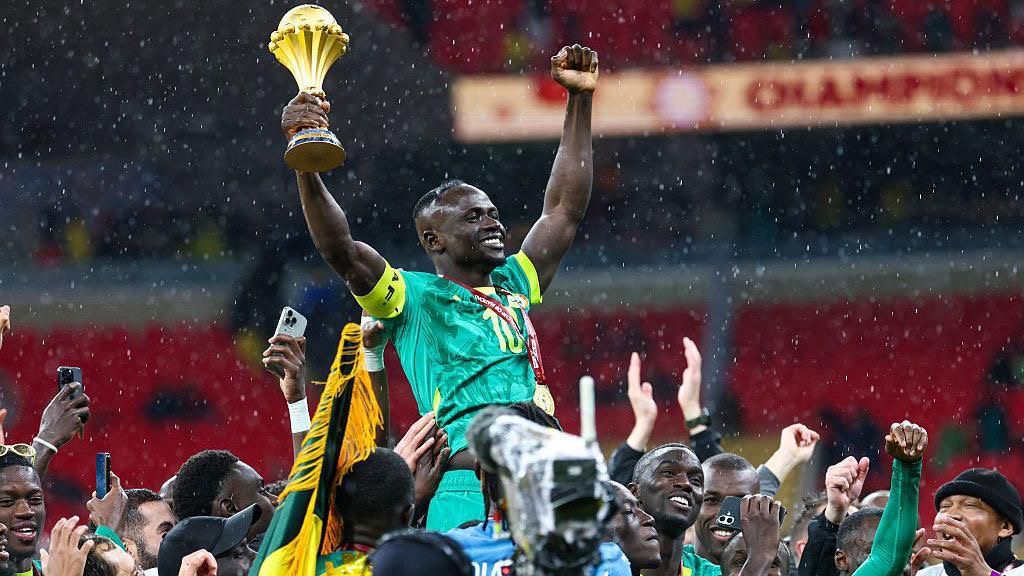
The Africa Cup of Nations 2026 final has descended into an unprecedented standoff, with Senegal refusing to return the trophy and medals despite a ruling by the Confederation of African Football (CAF) that stripped them of the title and awarded it to Morocco. What was once a celebrated on-field triumph has since become a complex battle over authority and the symbolic weight of the continent’s most coveted football prize.
Senegal’s 1–0 extra-time victory over Morocco in the final initially appeared decisive. The Senegalese celebrated what would have been a second consecutive continental title, and what they hoped would reinforce their standing as Africa’s dominant side. The match was not without controversy, however. A late VAR decision awarding Morocco a penalty led to a temporary walk-off by Senegalese players in protest. Play resumed and the match was completed — but the incident would prove consequential, not in the result on the field, but in the ruling that followed.
Weeks after the final, CAF’s Appeal Board ruled that Senegal’s walk-off constituted a breach of tournament regulations, specifically provisions prohibiting teams from leaving the field without authorisation. On that basis, CAF overturned the original result, awarded Morocco a 3–0 default victory, and officially recognised Morocco as AFCON 2026 champions. From a regulatory standpoint, the decision is consistent with longstanding forfeiture rules — yet the timing and magnitude of overturning a completed final have made it one of the most contentious rulings in the competition’s history.
The trophy is not merely an object — it is a reflection of a victory they believe was legitimately earned.
Senegal responded with outright defiance. The Senegalese Football Federation and national team leadership have made clear that they do not recognise CAF’s decision and will not return the trophy. Their argument is that the match was completed in full under the referee’s authority, and that no immediate sanction or abandonment was declared during the game. Returning the trophy, in their view, would amount to accepting a decision they consider unjust. Holding onto it has become a form of protest — resistance not only to the ruling itself, but to what Senegal perceives as a flawed application of the rules. The Senegalese Football Association (FSF) posted on social media a schedule of events around last Saturday’s friendly in Paris, which included a trophy parade.
Morocco, on the other side, maintains that CAF’s decision is both valid and necessary. Their successful appeal was grounded in the argument that Senegal’s temporary walk-off was a clear violation of competition rules. For Moroccan stakeholders, the issue is not about disputing Senegal’s on-field performance, but about ensuring that no team benefits from conduct that breaches established regulations — and that any departure from that principle would undermine the integrity of the competition.
At the centre of the dispute is the trophy itself. CAF recognises Morocco as the official champion, yet Senegal retains physical possession of it and continues to assert its claim. Senegal has since escalated the matter to the Court of Arbitration for Sport (CAS), seeking to overturn CAF’s ruling and be reinstated as champions. CAS confirmed receipt of the appeal and said it would rule “as swiftly as possible.”
Until CAS delivers its verdict, Senegal shows no indication of returning the trophy, while Morocco remains the officially recognised champion under CAF’s determination. The final ruling from CAS will determine the official outcome — but the dispute between the two nations continues to cast a shadow over African football.