



A bold solar-powered blueprint aims to steer Lesotho away from the exhaust fumes of the past. But geography, cost and infrastructure gaps raise a pressing question: is this a realistic roadmap, or a high-altitude pipe dream?
Elsewhere in this publication we run a story on Lesotho’s dream to decarbonise its transport sector through the MaZero project, a bold, solar-powered blueprint designed to steer Lesotho away from the exhaust fumes of the past and into a decarbonised future.
But as the project sets its sights on a fossil-fuel-free horizon, a heavy question hangs over it: is this a realistic roadmap or a high-altitude pipe dream?
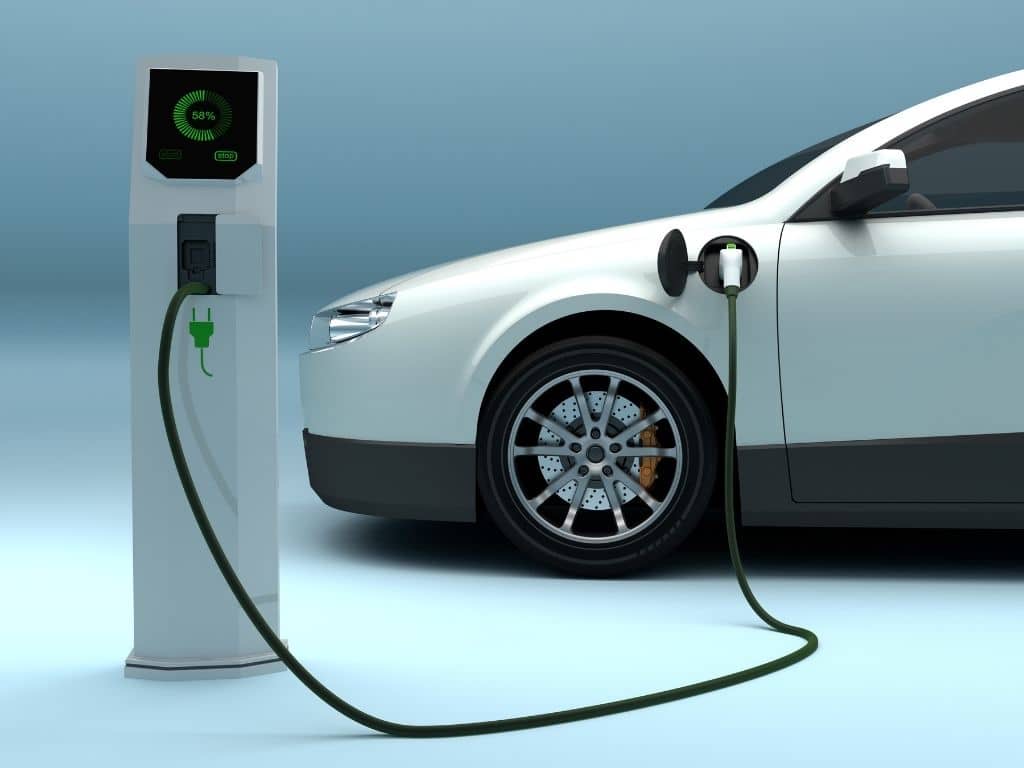
The project was launched by the National University of Lesotho’s Energy Research Centre (NUL-ERC) in 2024 and was not just about importing fancy cars but about sovereignty. By leveraging Lesotho’s most abundant resource, sunshine, the initiative aimed to power electric vehicles (EVs) through localised solar charging and battery-swapping stations.
For a nation that is among the largest emitters of greenhouse gases through transport, the motivation was clear.
“We are creating a circular economy. Why import expensive petrol when we can harvest our own energy from the sky?”
While the vision of the project is electric, the reality on the ground faces a significant range anxiety.
the MaZero project
Lesotho’s highland roads
EV transition milestones
To reach its goals by at least 2035, the project and government must navigate three major roadblocks.
Lesotho’s geography is a literal uphill battle. EVs thrive on flat city streets, but the country’s steep passes and rugged rural tracks drain batteries 20 to 40 percent faster than average. For someone in the highlands, a car that needs a plug every few hours is a tough sell compared to a rugged diesel 4×4.
EV charging is currently largely confined to certain pilot sites. To sustain a national fleet, the country needs a massive rollout of charging points. With less than half of the country connected to the national grid, and even fewer in rural areas, the MaZero project’s focus on off-grid solar hubs is a necessity, not just a preference.
Even with the government’s recent move to slash VAT and customs duties on EVs, the upfront cost remains prohibitive for the average Mosotho. Without aggressive financing schemes or a robust market for second-hand EVs, the green lane may remain reserved only for the wealthy.
The most important factor to consider is economic empowerment. Currently, Lesotho is at the mercy of volatile global oil prices and import costs. By fuelling vehicles with home-grown solar energy, the project promises to keep more money within the borders. The focus on solar-based battery-swapping stations creates a massive opening for local SMEs.
Small business owners in rural hubs can become energy vendors, managing solar kiosks that serve everything from electric delivery bikes to communal taxis. For the logistics and taxi industries, the long-term savings on maintenance, as EVs have significantly fewer moving parts than petrol cars, could mean the difference between a struggling business and a thriving one.
A phased realityWill the roar of internal combustion engines be silenced by 2035? Experts suggest a middle ground.
While a 100 percent phase-out of fossil fuels in a decade may be an Olympian task, MaZero is successfully building the technical foundation. By focusing first on urban commuter corridors in Maseru and transitioning into public transport, Lesotho can significantly dent its carbon footprint.
But is the project already training a new generation of green mechanics to ensure that when the EVs do arrive, the skills to fix them stay within the borders?
This project is more than a transport trial; it is a test of Lesotho’s resilience. Sustaining the initiative will not require a miracle; it will require consistent policy, massive investment in solar infrastructure and a focus on “Made for Lesotho” EV solutions that can handle the cold and the climbs.
A decade from now, Lesotho may not see the total disappearance of the petrol engine, but thanks to MaZero, the country is finally beginning its descent toward a cleaner, quieter and more self-reliant future.
As Lesotho waits to move away from fossil fuels, one question endures: can it really do it, and how much is there to gain?
“`You have 1 free article left this month. Create a free account for 15 articles/month.
Create free account