


As global crude markets grow increasingly volatile, Lesotho’s Petroleum Fund calls on journalists to deepen their understanding of pricing mechanisms and supply chains, warning that misinformation undermines public confidence.
The Petroleum Fund has called on the media to strengthen accurate and responsible reporting on petroleum-related issues as global oil price fluctuations continue to impact Lesotho’s economy.
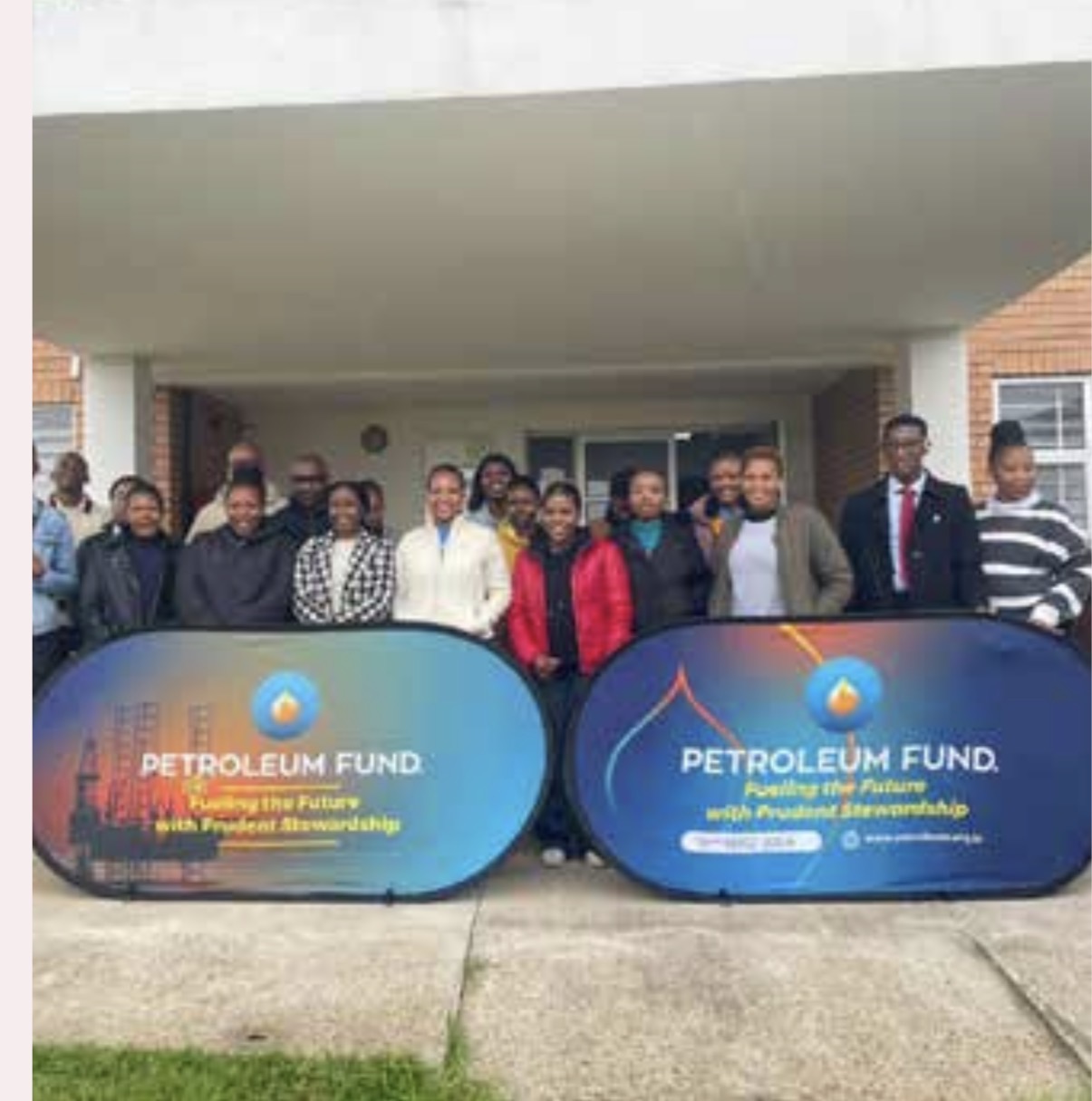
Speaking at a media forum held in Maseru on Friday, the Fund’s Interim Chief Executive Officer, Advocate Makananelo Kome, emphasised the critical role journalists play in shaping public understanding of the petroleum sector. The forum aimed to enhance collaboration between the media and the Fund while building capacity around petroleum governance, pricing and supply systems.
“The petroleum sector remains central to Lesotho’s economy and daily life. It affects transport, the cost of living and overall economic stability.”
Adv Makananelo Kome · Interim CEO, Petroleum FundThe engagement comes at a time when global oil markets are experiencing renewed volatility. Ongoing geopolitical conflicts in key oil-producing regions have disrupted supply chains, contributing to rising and unpredictable crude oil prices, including benchmarks such as Brent crude.
These external pressures have a direct ripple effect on small, import-dependent economies like Lesotho.
Adv Kome highlighted that petroleum pricing in Lesotho is not arbitrary but determined through structured mechanisms influenced by several factors, including international oil prices, exchange rate movements, transportation and logistics costs as well as domestic taxes and levies.
“Petroleum pricing and supply systems are complex. Without proper understanding, misinformation can easily spread, which may undermine public confidence and economic stability,” she cautioned.
The Petroleum Fund also outlined the importance of understanding the full supply chain, from importation to distribution at fuel pumps, noting that each stage presents unique challenges that require accurate interpretation and reporting.
This media forum is part of the Fund’s broader commitment to transparency, accountability and public engagement. By equipping journalists with technical knowledge, the institution hopes to bridge the gap between complex petroleum data and public communication.
“We value the media as key partners in ensuring that the public is well-informed. With this role comes the responsibility to report fairly, accurately, and with context.”
Adv Makananelo KomeThe initiative is expected to improve the quality of petroleum reporting in the country, foster a better-informed public and strengthen trust between the media, the Petroleum Fund and citizens.
The CEO emphasised the power of informed dialogue, noting that collaboration between institutions and the media is essential in building public trust, especially during times of economic uncertainty driven by global oil market instability.
The Petroleum Fund reaffirmed its commitment to ongoing engagement and its role in supporting national development through transparency and effective communication.