


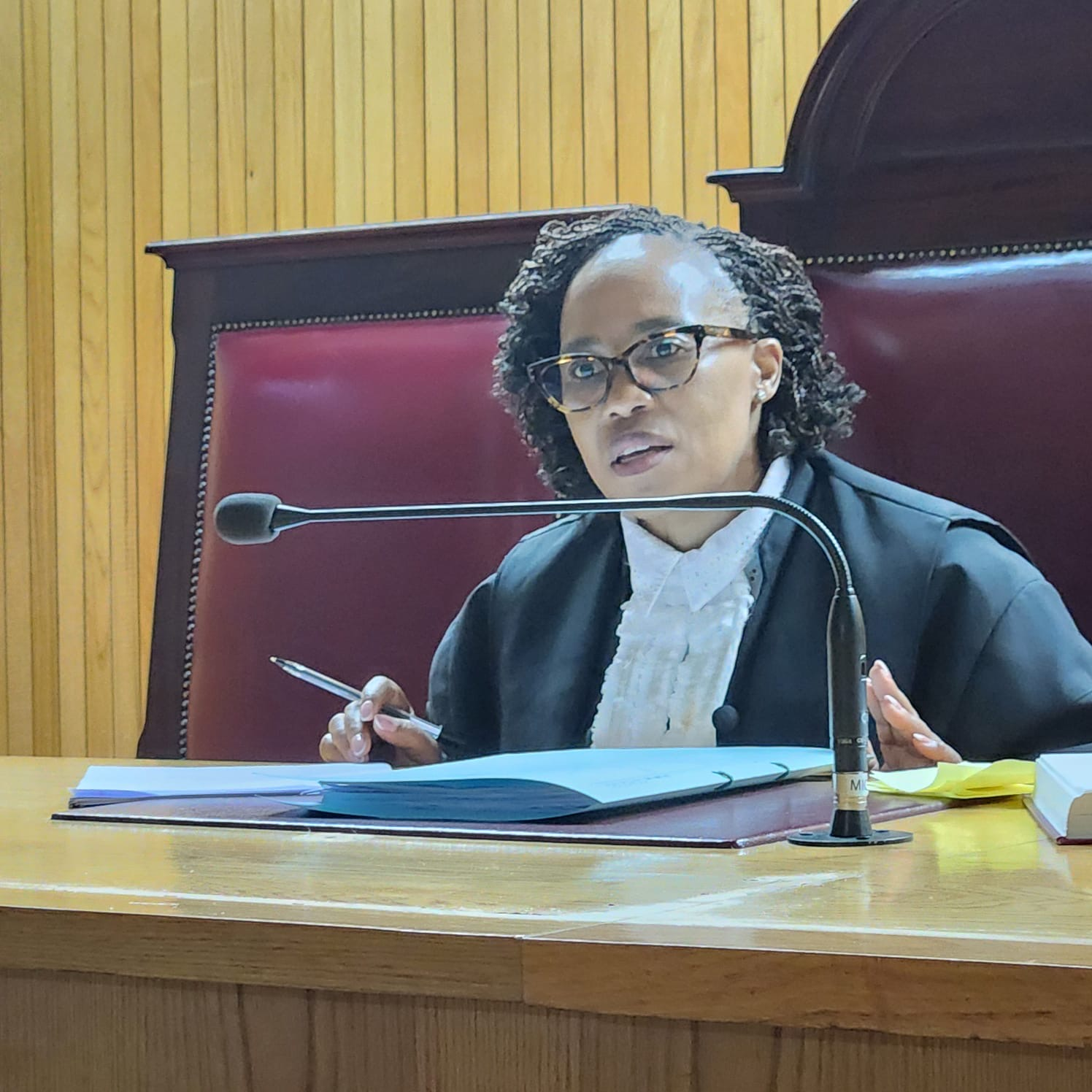
Justice Polo Banyane will rule on 12 June 2026 on whether the Lesotho Electricity and Water Authority’s 2024 tariff increase was lawful, following a challenge by civic group SECTION 2 on behalf of consumers.
- Court
- High Court of Lesotho
- Judge
- Justice Polo Banyane
- Applicant
- Advocates for the Supremacy of the Constitution (SECTION 2)
- Respondent
- Lesotho Electricity and Water Authority (LEWA)
- Filed
- 28 March 2024 (transferred from Commercial Court)
- Judgment
- Expected 12 June 2026
The High Court has reserved judgment in a case challenging the legality of Lesotho’s 2024 electricity tariff increase, with a ruling expected on 12 June 2026. The matter was heard before Justice Polo Banyane, who will deliver the court’s final position after considering submissions from both sides.
The case was brought by Advocates for the Supremacy of the Constitution, known as SECTION 2, a civic organisation acting in the public interest. The group is challenging a tariff hike approved by the Lesotho Electricity and Water Authority (LEWA) in March 2024, arguing that the increase was both unlawful and procedurally flawed.
Advocate Fusi Sehapi, appearing for SECTION 2, told the court that the decision to raise electricity tariffs was irrational and disproportionately harsh given the economic pressures already facing ordinary Basotho. He submitted that LEWA relied on outdated financial statements when approving the increase, meaning the decision did not reflect the authority’s true financial position at the time.
Sehapi also raised concerns about public participation. He argued that SECTION 2 represents the interests of consumers and should have been consulted before such a consequential decision was made. The failure to involve stakeholders, he said, undermined both the transparency and the fairness of the process.
“The tariffs are still in effect and continue to impact consumers. The matter is still very much alive.”
Advocate Fusi Sehapi, for SECTION 2The court questioned whether the matter had become moot, given that the contested tariffs apply to the 2024/2025 and 2025/2026 financial years. Sehapi rejected that suggestion, insisting the tariffs remain in force and continue to impose costs on consumers. He urged the court to set aside the increase and, should judgment go in the applicant’s favour, to order that the public be reimbursed for the additional amounts paid under the unlawful rates.
LEWA defended its conduct through Advocate Kabelo Letuka, who told the court that the tariff increase was carried out in full compliance with the law. Letuka rejected the claim that the authority relied on outdated financial data, arguing that the allegation is unsupported by either the facts or applicable legal provisions.
He maintained that the applicant had failed to produce sufficient evidence to demonstrate any procedural irregularity, and that the decision to increase tariffs was grounded in proper financial and regulatory considerations.
The case has a complex procedural history. It was first filed on 28 March 2024 in the Commercial Court, which later declined jurisdiction and transferred the matter to the High Court. That transfer caused delays but placed the dispute before a court with the appropriate authority to adjudicate constitutional and administrative questions.
The outcome carries wide implications. Electricity tariffs affect virtually every household and business in Lesotho, and a ruling on their legality could shape how the country’s regulatory bodies exercise their powers in future. The case has also focused public attention on questions of accountability and whether institutions such as LEWA are required to consult those most directly affected by their decisions.
Should the court find in LEWA’s favour, the judgment would affirm the authority’s regulatory mandate and bring the dispute to a close. A ruling for SECTION 2 would raise the prospect of consumer reimbursements and could set a precedent for how tariff-setting processes are conducted and challenged in Lesotho. Justice Banyane is expected to deliver her ruling on 12 June 2026.
“`