

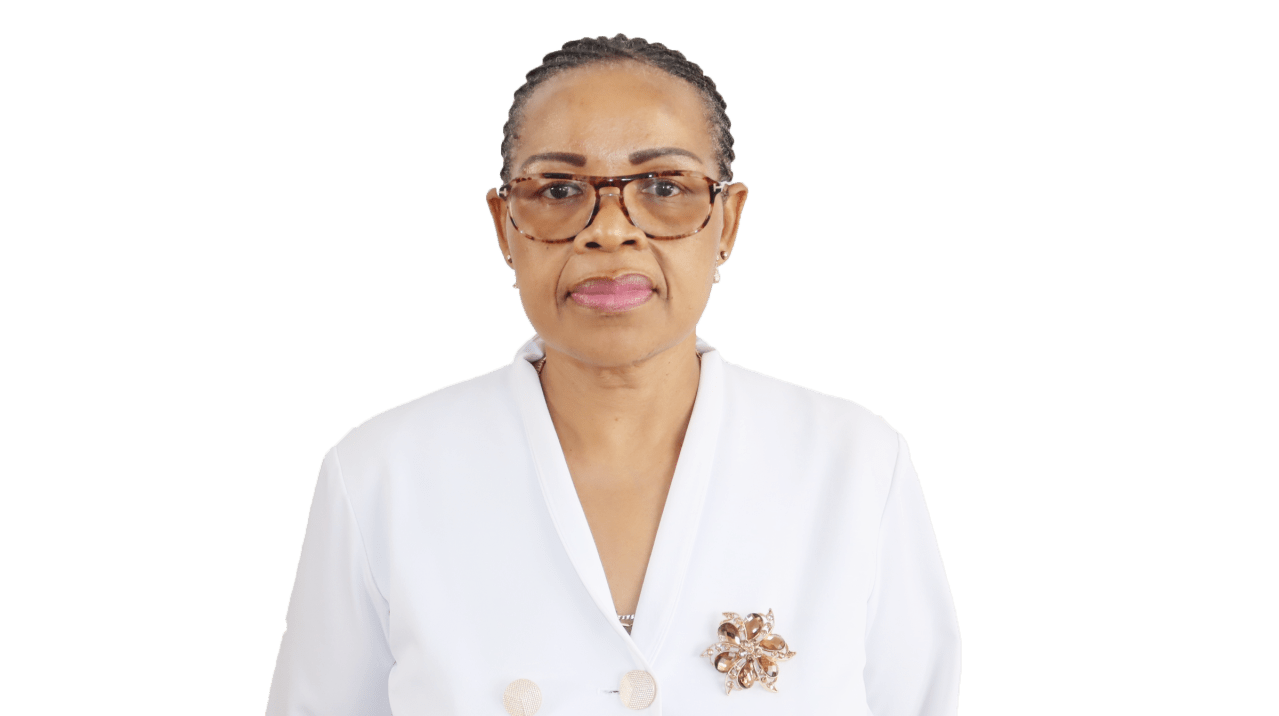
The Ministry of Trade and Industry’s Principal Secretary undertook 18 international trips between July 2024 and April 2026, with Parliament hearing that total expenditure on air travel and subsistence allowances exceeded M1.65 million.
The Ministry of Trade and Industry’s Principal Secretary (PS) spent more than M1.6 million on international travel between July 2024 and April 2026, according to information tabled in the National Assembly on Thursday.
The figures were revealed by Deputy Prime Minister Justice Nthomeng Majara in response to questions from Basotho National Party (BNP) leader Machasetsa Mofomobe, who sought details regarding the PS’s appointment, the number of foreign trips undertaken, destinations visited, travel costs, subsistence allowances and the overall expenditure incurred since she assumed office in June 2024.
Breakdown of costs
Majara disclosed that the PS undertook 18 international trips over the period under review. The visits took her to a number of countries across Africa, Europe, Asia and North America as part of government and trade-related engagements.
According to the breakdown presented in Parliament, government spent M715,747.80 on subsistence allowances while M936,860.00 was paid for air travel, bringing the total expenditure to more than M1.65 million.
The records show that the PS travelled most frequently to South Africa, making eight visits. Other destinations included Botswana, Namibia, Morocco, Cameroon, Switzerland, Turkey, the United States, India and Japan, with two trips made to the Asian nation.
| Item | Amount (M) |
|---|---|
| Air travel | 936,860.00 |
| Subsistence allowances | 715,747.80 |
| Total | 1,652,607.80 |
Purpose of the trips
The Ministry explained that the trips were undertaken in pursuit of its mandate to advance Lesotho’s trade and industrial development agenda. The PS reportedly attended a range of international meetings, conferences and forums focusing on trade, investment and regional economic cooperation.
Among the engagements cited were meetings involving multilateral trade organisations, conferences on Special Economic Zones (SEZs) and sessions organised by the Southern African Customs Union (SACU) Secretariat. Such forums are generally aimed at strengthening international partnerships, attracting investment opportunities and discussing policies that affect trade among member states.
Parliament’s oversight role
The disclosure comes at a time when government spending continues to attract public attention amid ongoing economic challenges facing the country. Questions surrounding the cost and necessity of official travel have become increasingly common as legislators seek greater transparency and accountability in the management of public resources.
Mofomobe’s questions formed part of Parliament’s oversight role, which allows Members of Parliament to seek explanations from ministers and government officials on the use of taxpayers’ money. Requests for detailed travel expenditure have become a recurring feature of parliamentary proceedings, particularly in light of concerns about the growing costs associated with official foreign trips.
While government maintains that participation in international forums is essential for promoting national interests and securing development opportunities, critics often argue that such travel must demonstrate measurable benefits to the country. The debate has intensified in recent years as citizens grapple with rising living costs and persistent unemployment.
Supporters of international engagement contend that attendance at trade conferences and regional meetings enables Lesotho to remain informed about global economic developments, negotiate favourable trade arrangements and strengthen relations with development partners. They further argue that opportunities for investment promotion and market access often emerge from such interactions.
However, others believe government departments should continuously assess whether every trip is necessary and whether virtual participation could reduce expenditure without compromising outcomes. The increasing availability of digital conferencing platforms has fuelled discussions on how governments can strike a balance between international representation and cost containment.
Ministry’s broader budget
Although the figures released in Parliament relate specifically to one senior official, they have reignited broader conversations about public sector expenditure and value for money. Analysts note that transparency in reporting travel costs is important for maintaining public confidence in government institutions and ensuring accountability.
Information obtained by this publication further shows that the ministry was allocated M423.8 million in the 2025/2026 financial year budget. The allocation is intended to support various programmes aimed at promoting industrial growth, strengthening trade competitiveness and improving the country’s investment climate.
The Ministry of Trade and Industry plays a central role in advancing Lesotho’s economic growth strategy through industrialisation, export promotion and investment attraction. Its responsibilities include supporting local businesses, facilitating trade agreements and creating an enabling environment for economic development.
The disclosure of the PS’s travel expenses is expected to fuel further debate both inside and outside Parliament regarding government spending priorities and the effectiveness of official foreign missions. While the trips were linked to trade and economic development initiatives, lawmakers and members of the public are likely to continue scrutinising whether the benefits derived justify the costs incurred.