



MASERU
The High Court this week was drawn into an emotional battle for mercy as Tšenolo Thamahane, recently found guilty of murder and attempted murder, stood before the bench to plead for a lenient sentence.
The packed courtroom held its breath as the defence attempted to soften the grim weight of the crimes he has been convicted of.
Thamahane’s conviction arises from a violent shooting that unfolded on March 08, 2025, a tragic episode that claimed the life of ‘Malechakane Mokhoema and left her sibling, High Court Assistant Registrar Tebello Mokhoema, fighting for her life.
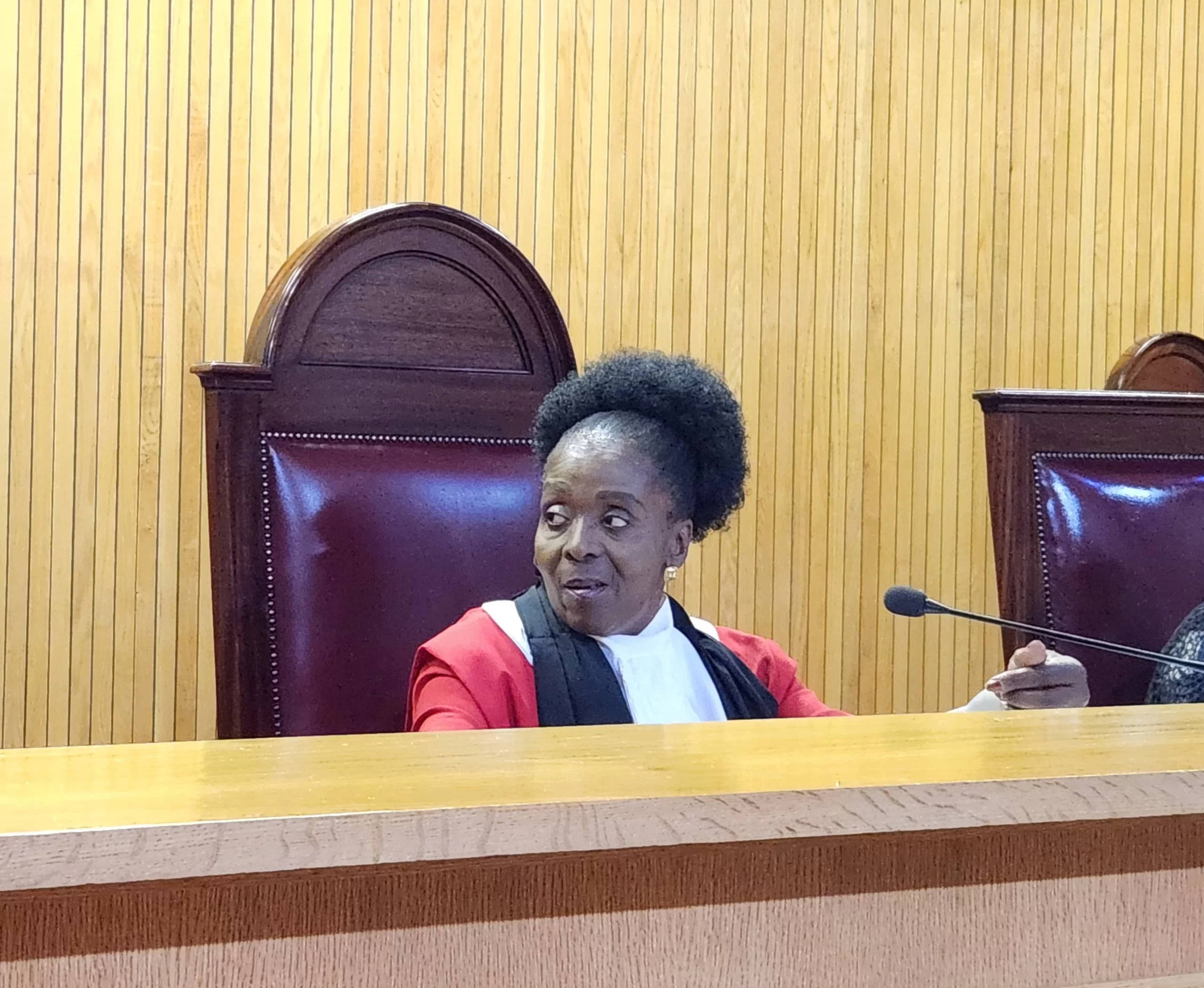
Last week, Acting Justice Palesa Rantara rendered a categorical verdict: the prosecution had proved beyond reasonable doubt that Thamahane acted intentionally and unlawfully when he carried out the attack.
But with the sentencing phase now underway, the focus has shifted from guilt to the question of what punishment fits the crime, a question that flooded the courtroom with tense exchanges and contrasting narratives about motive, remorse and justice.
Representing the convict, Advocate Katiso Nhlapo painted a picture of a man overwhelmed by anger following a verbal confrontation, insisting that Thamahane had no premeditated intent to kill.
According to the defence, the tragic turn of events stemmed from a momentary loss of control rather than a calculated decision.
“Extenuating circumstances exist in this matter,” Nhlapo told the court, urging the judge to consider the emotional volatility that he argues triggered the shooting.
The defence further leaned heavily on Thamahane’s conduct after the incident as evidence of remorse. Nhlapo explained that his client turned himself in to the authorities soon after the shooting, demonstrating an acceptance of responsibility.
He told the court that while in custody, Thamahane went so far as to direct his relatives to approach the bereaved family with intentions of reconciliation and compensation.
According to Advocate Nhlapo, Thamahane has expressed readiness to compensate both the family of the deceased and the surviving victim, a gesture the defence suggests shows a willingness to repair, as far as is possible, the damage he caused.
Adding another layer to the plea, Advocate Nhlapohighlighted Thamahane’s personal circumstances. He is a father to a 15-year-old daughter and the primary provider for his household.
He therefore urged the court to weigh the impact of a long sentence on the convict’s young child and dependents, arguing that punishment should not unduly destroy the lives of the innocent.
However, the Crown held a firm and unyielding stance. Advocate Lehlohonolo Phooko dismissed the defense’sarguments as hollow attempts to dilute an act of deliberate violence. According to the prosecution, the lack of extenuating circumstances is “as clear as daylight.”
Phooko reminded the court that Thamahane did not act in a moment of blind rage, but with explicit intent. He reminded the court that the accused had announced his violent plans publicly and later carried them out with chilling precision.
The prosecution underscored the brutality of the killing, a defenseless woman gunned down in full view of children, an image that Phooko said would permanently scar the minors who witnessed it.
“Murder is among the gravest offences known to our law,” Phooko argued, stressing that its severity dwarfs any personal hardships or responsibilities cited by the defence. The state insists that retribution and societal protection must take precedence, particularly in a case where the attack was calculated and executed with full awareness of its consequences.
Last week’s judgment, in which Acting Justice Rantarameticulously dismantled the defense’s arguments on intent, continues to cast a long shadow over the proceedings. The judge found that Thamahane acted with full knowledge of what he was doing, rejecting any claims of provocation or diminished responsibility.
As sentencing approaches, the court faces a delicate and consequential task: balancing the convict’s plea for mercy against the brutal facts of the crime and the enduring pain of the victims’ family. The legal teams are now awaiting the court’s decision, one that will determine whether Thamahane’s appeals for leniency can survive the gravity of the offence for which he stands convicted.