


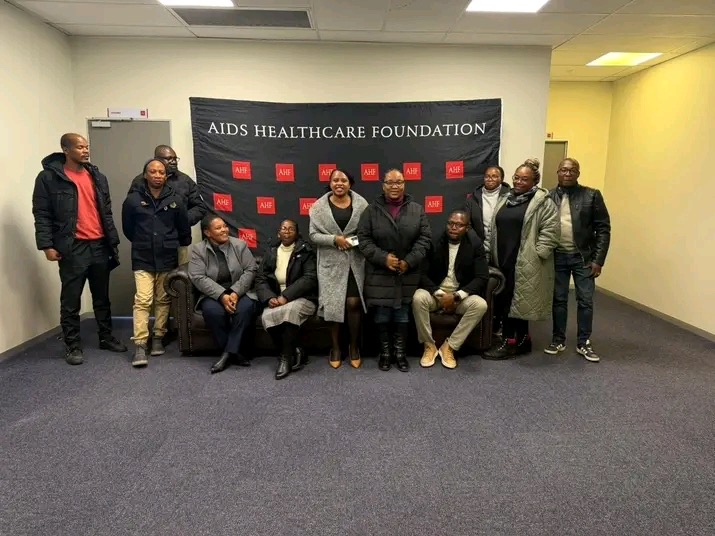
Two of Lesotho’s most active community health organisations have formalised a partnership designed to close persistent gaps in HIV prevention, treatment adherence and youth health services, while the larger of the two organisations is simultaneously pushing for global debt reform it argues is inseparable from the task of achieving sustainable healthcare.
The AIDS Healthcare Foundation (AHF) and Mothers2Mothers (m2m) have concluded an agreement to integrate their community-based health programmes across Lesotho, combining the reach of AHF-supported clinics with m2m’s established network of mentor mothers and youth-focused interventions. The partnership was confirmed by AHF Lesotho representative Sebabatso Lentsoenyane, who said m2m initiated discussions to identify shared objectives and explore how the two organisations could support each other in strengthening health and community well-being.
The collaboration will draw on three community-led programmes that both organisations say have already demonstrated measurable results in the field. Girls Act equips young women with health literacy and the tools to make informed decisions about their sexual and reproductive health. Boys to Men provides health education and mentorship to young men, a demographic that health advocates have long identified as underserved by conventional clinic-based interventions. The Mentor Mother Programme trains women living with HIV to provide peer guidance and psychosocial support to other mothers and families navigating diagnosis, treatment initiation and long-term care.
“This means people who use AHF-supported clinics and those in nearby communities will get better, more complete care. No one will be left behind.”
Sebabatso Lentsoenyane, AHF Lesotho
What the partnership aims to achieve
Lentsoenyane said early evidence from the programmes points to increases in uptake of HIV prevention interventions among young people, improved antiretroviral treatment adherence among patients, and stronger retention in care as adolescents transition into adulthood, a phase where dropout rates from treatment programmes are typically highest. The integration of AHF’s clinical infrastructure with m2m’s community-based model is designed to create a continuum of care that reaches patients who would not otherwise be served.
Both organisations have framed the partnership within Lesotho’s broader public health commitments, including the country’s obligation under the United Nations Sustainable Development Goals and the global target of ending AIDS as a public health threat by 2030. Lesotho carries one of the highest HIV prevalence rates in the world, with the epidemic concentrated particularly among young women and adolescent girls. Community-led delivery models have consistently outperformed facility-only approaches in reaching those populations.
The debt crisis argument
Alongside its local programme work, AHF has escalated a broader advocacy campaign that it argues is directly relevant to the sustainability of health systems across the Global South. The organisation’s Freedom from Debt campaign, launched as part of its international advocacy agenda, contends that the current structure of sovereign debt obligations is systematically diverting resources away from health and education in precisely the countries that need them most.
AHF cites figures that present a stark picture: approximately 3.4 billion people live in countries where annual debt service payments exceed total government expenditure on health and education combined. Developing nations are reported to face borrowing costs two to ten times higher than those available to wealthy countries, and AHF estimates that poorer countries transfer approximately $3 trillion annually to wealthier creditor nations through debt repayments, elevated interest charges, and tax arrangements related to natural resources.
| AHF Freedom from Debt: proposed measures | Purpose |
|---|---|
| Borrowers’ Forum | Collective bargaining platform for Global South nations to negotiate debt terms from a position of greater leverage |
| Automatic debt pauses | Suspension of debt service obligations during declared public health emergencies and climate disasters |
| 1% AI solidarity levy | Small tax on artificial intelligence companies to generate a dedicated fund for debt relief and basic services |
Source: AIDS Healthcare Foundation Freedom from Debt campaign.
AHF has argued that the global financial system cannot deliver sustainable development outcomes while it continues to extract resources from the countries it nominally exists to support. The organisation concluded its campaign statement by observing that the opportunity for all countries to grow and develop depends on creating a fairer international financial system.
The juxtaposition of a local programmatic partnership and a global structural campaign reflects a logic that AHF has articulated consistently across its advocacy work: that community health interventions, however well-designed, operate within systemic constraints that determine whether those interventions can be sustained, scaled, or ultimately made redundant by the conditions that produced the crisis they are trying to address.
By Lemohang Botsane | Lesotho Tribune