



MASERU
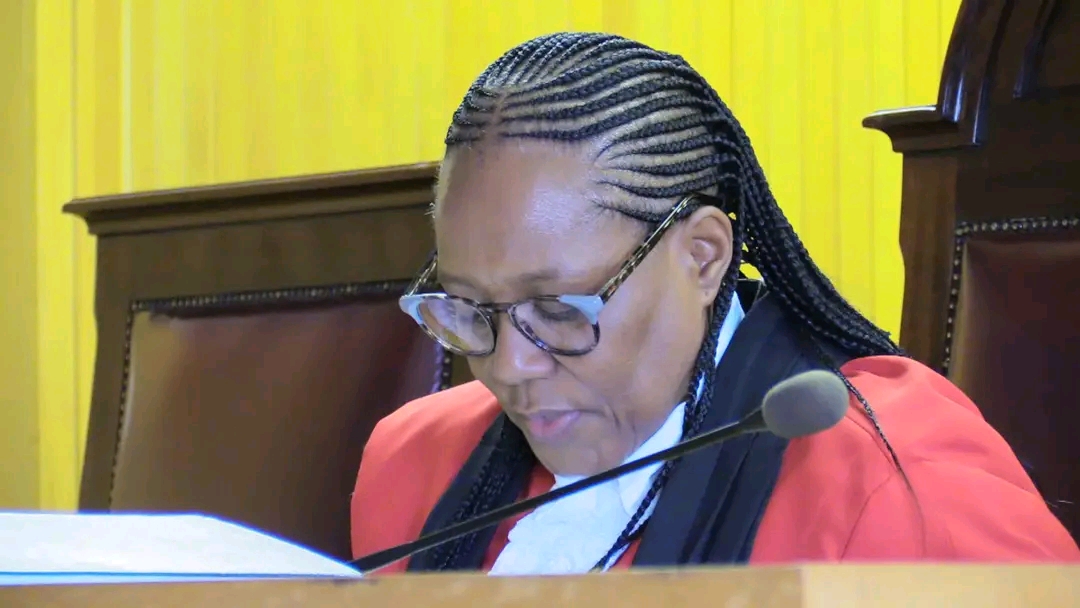
The High Court is set for a tense hearing on August 25, 2025, when Justice ‘Mabatšoeneng Hlaele will preside over an application seeking her own recusal from a high-profile corruption case. The matter involves accused persons Mohapi Khofu, Thelingoane Liotlo and Refela Holdings (Pty) Ltd, who face serious corruption charges.
The application, lodged by the defence, stems from allegations of judicial bias. The accused claims that a remark allegedly made by Justice Hlaele at the outset of proceedings suggests she has already prejudged the case. According to the defence, when the matter was called and their lawyer had introduced himself, the judge reportedly said: “Khofu and Liotlo are the ones going to prison.”
The defence argues that this statement goes beyond casual courtroom banter and reveals a predisposition towards a guilty verdict, even before all evidence has been presented. They contend that such a remark affirms their long-standing suspicion of partiality, which they say has shadowed the case from the very beginning.
“The statement confirms that the verdict of guilt and conviction of the accused is at the forefront of the judge’s mind,” the defence asserted in its application.
“It demonstrates that she cannot be persuaded by the innocence of the accused or by facts that might emerge during the trial.”
The corruption charges at the heart of the case have drawn public attention, not only because of the accused’s prominence in the business and political arenas, but also due to the wider implications for governance and the integrity of Lesotho’s justice system.
Allegations of bias at this level threaten to undermine public confidence in judicial proceedings, especially in matters involving public trust and accountability.
The recusal application will force the court to weigh two critical principles: the right of the accused to a fair trial before an impartial judge and the judiciary’s obligation to maintain its independence in the face of allegations that may or may not be substantiated.
Legal analysts note that while recusal applications are not uncommon, they are often fraught with high stakes. Granting a recusal could delay proceedings, potentially affecting witnesses, evidence presentation and the broader public interest in the swift resolution of corruption cases. Denying it, on the other hand, could open the door for appeals and claims of mistrial should the accused be convicted.