



“The milestones of the Competitiveness and Financial Inclusion (CAFI) project over the past three years are a vivid illustration of the great things we can achieve through commitment, hard work and collaboration,” Palesa Matobako, the Principal Secretary in the Ministry of Trade, Industry and Business Development said in the official CAFI Newsletter, November 1st issue.
CAFI, an initiative of the government of Lesotho with financing from the World Bank, has proven to be a game-changer in the business sector, incubating 200 enterprises; 92 led by women and 111 by youth, creating over 1200 jobs for Basotho.
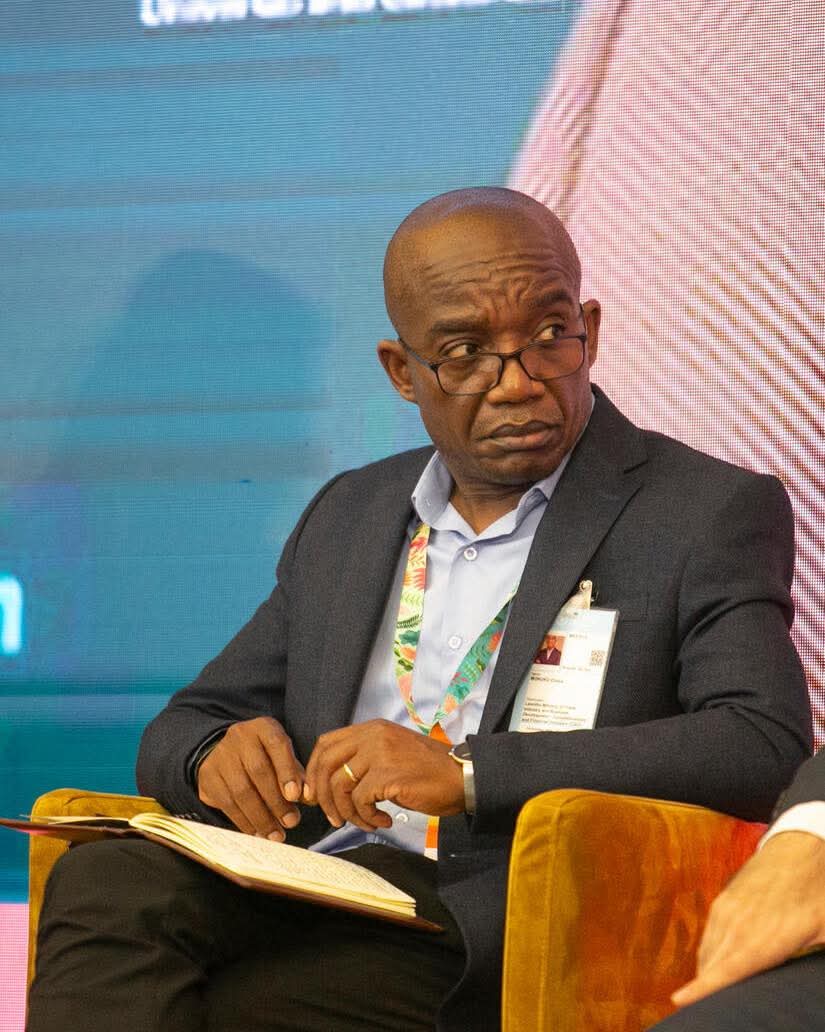
This week, as one of the project’s programmes – the Lesotho Entrepreneurship Hub and Seed Financing Facility (LEHSFF) celebrated its Demo Day, Chaba Mokuku, CAFI’s Managing Director said the celebration themed “Inspire, invest and transform” was a call to action to investors to ensure the growth of the entrepreneurial sector of Lesotho. It also aligned with the international momentum around innovation, building on the success of the Diaspora Investment and Trade Forum that was held in South Africa to demonstrate the importance of Basotho entrepreneurs and the importance of collaboration.
“This day coincides with the midterm review of the CAFI project and this presents us with an opportunity to reflect, take stock and when necessary, adjust the project to meet the emerging needs of this country,” Mokuku said.
He told attendees that the government, in implementing the project, had put in place measures to revitalise the country’s economy, particularly the private sector with a focus on youth and women-led enterprises.
During the break of COVID-19, Mokuku continued, MSMEs and startups were mostly hit hard because they are less resilient to external shocks and this response resulted in the launch of the CAFI project to diversify the economy.
The project is driven by three reinforcing areas of intervention, one being to improve the business environment by removing obstacles to investment (developing an investment action plan) to reduce the cost and time of doing business and to increase access to business support services and financial products.
Through the project, numerous achievements can be noted: digitisation of government business services to promote public sector efficiency and automation of business processes to remove the human factor and promote transparency and predictability in government services.
Because access to finance remains a challenge, CAFI is supporting financial institutions and the Ministry of Finance to strengthen credit infrastructure systems, developing financing products and instruments to help MSMEs and startups access financing.
‘Mamoriti Phangoa, the Acting Entrepreneurship Hub Manager, said the Hub, celebrated this week, was established with the mission of building a strong, innovative and investment-ready pipeline for Basotho enterprises and is a representation of a future of job creation, digital transformation, clean innovation and inclusive economic growth.
To highlight the impact of the hub, some enterprises incubated under it have been said to already be exporting regionally and globally, demonstrating that there is potential to compete and scale beyond borders.
Phangoa convinced investors, policymakers and development partners present at the event that Basotho enterprises were ready to scale, export and attract investment.