



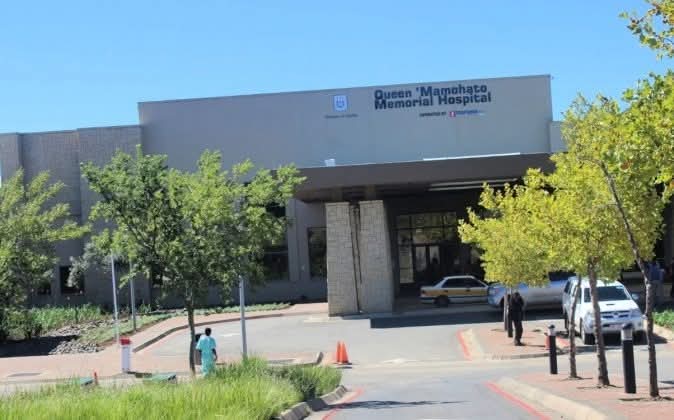
When the Thoahlane family entrusted their daughter Pulane, aged 15, to Queen ‘Mamohato Memorial Hospital on 28 March, they left confident she would receive proper treatment for tuberculosis and return home soon. What followed over the next four days would shatter that confidence entirely.
Pulane had been diagnosed with TB and referred to QMMH for specialised care. Upon admission, all required paperwork was completed and the family departed in good faith. When they returned the following day during visiting hours, they were told she had been moved to the Intensive Care Unit. Medical staff had found that she also suffered from pneumonia, which had compromised her breathing and necessitated the transfer.
The family left without seeing her, hoping to do so the next day. Instead, on 30 March, they arrived to be told their daughter had died.
No one had contacted the family to inform them of her passing. The news was conveyed to them only when they arrived for the regular visiting period, a circumstance that compounded their shock. Overwhelmed with grief, they left without viewing the body, agreeing to return on 31 March to arrange the transfer of remains to the mortuary of their choice.
That return visit became the first time the family saw Pulane after her death, and what they saw disturbed them profoundly. Her lips bore bite marks that appeared to have been inflicted by a small animal, possibly a rat, with visible scarring around the affected areas.
The family reported their findings to hospital management, which convened a meeting chaired by Dr Ranyali, the hospital director. The hospital acknowledged responsibility for the body while in its care but could not determine whether the injuries occurred in the ward or in the morgue. Staff indicated that the body had arrived at the morgue already in that condition.
A case was subsequently lodged at Lithabeng Police Station and a post-mortem conducted. The examination confirmed bite marks consistent with a small animal, although it could not be established whether they occurred before or after death, or in which area of the facility.
28 March: Pulane Thoahlane (15) admitted to QMMH for tuberculosis treatment.
29 March: Family informed she has been transferred to ICU following a pneumonia diagnosis.
30 March: Family informed of her death during regular visiting hours, without prior notification.
31 March: Family views the body for the first time; bite marks observed on the lips.
Compensation offered: M15,000, then M20,000. Both declined by the family.
The hospital offered the family M15,000 in compensation. The family declined. A further M5,000 was added to the offer; that too was refused. Hospital management then advised the family to pursue any further action through available legal channels, stating it could provide no additional support. No further communication has been received by the family.
The then Minister of Health, Selibe Mochoboroane, was informed of the incident but neither contacted the family nor participated in any subsequent meetings. He did not respond to inquiries from the Lesotho Tribune seeking comment.
Superintendent Mohai of the Lesotho Mounted Police Service confirmed that a case had been opened regarding the discovery of bite marks on the body. He noted that the marks were not present at the time of her admission, and that a second case of a similar nature had been reported against the hospital.
Sources familiar with the hospital’s morgue facility described conditions consistent with the possibility of rodent access. Several windows are reportedly left open, and the low level of activity within the morgue creates an environment in which animals could enter undetected. Given that the family had indicated they would collect the body the following morning, it is believed the remains may have been left on a mortuary table overnight, providing access to the injuries observed.
The Thoahlane family has received no closure, no formal explanation of the circumstances surrounding Pulane’s death, and no accountability from the authorities they expected to protect her.
“`