



The country’s economic outlook for the upcoming period appears somewhat bleak, characterized by a mix of fleeting positive signs amidst a broader backdrop of challenges facing various regions of the country.
A closer analysis of the budget for the fiscal year 2025/26, along with progress updates from international organizations, reveals that the government of Lesotho has set ambitious objectives cantered around fostering inclusive, private-sector-led economic growth and improving essential infrastructure.
While the nation has celebrated several significant achievements, particularly in attaining a robust fiscal surplus, it continues to grapple with ongoing issues in job creation, capacity building and the volatility of revenue streams. These persistent challenges indicate that several key objectives remain unfulfilled.
The government had wished to transition from a government-dependent to a private sector-driven economy by diversifying revenue away from reliance on SACU receipts. It also aimed to boost key sectors like agriculture, manufacturing and energy, targeting investments in these sectors including water and ICT to support growth. Strengthening institutions, combating corruption and enhancing public financial management – promoting good governance and accountability – also formed part of the goals.
However, shortfalls seem to have hindered progress in closing the year with a clean progress report, with limited impact on jobs and poverty.
The notable fiscal surplus for the previous financial year had reportedly enabled the government to reduce public debt and increase foreign investment. But despite this achievement, economic growth has failed to translate into widespread job creation, with poverty still high. The IMF has therefore described this growth as jobless and warned of a silent failure.
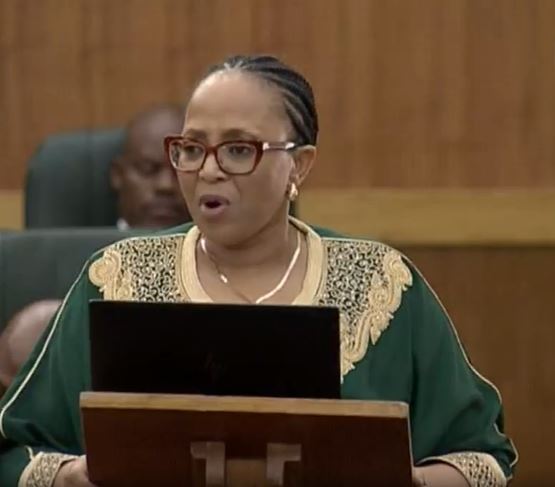
When delivering the Budget Speech early this year, DR Retselisitsoe Matlanyane had said her Ministry of Finance and Development Planning had projected a continued surplus albeit smaller and significantly increased capital budget to invest in infrastructure. But economic growth has been projected to slow primarily due to external factors affecting key sectors like mining and textiles; the main drivers of economy.
Nonetheless, notable progress has been identified in other key projects. In March, the Ha Belo Industrial Estate commission made headlines, promising thousands of jobs. This is one of the many projects that had been stalled for one or two unpleasant reasons, but the government still nonetheless struggles with project execution and implementing, resulting in lower-than-budgeted capital spending. This has been seen in a number of projects that had been dragging over for years from the past administrations up to the current one, starting with the Royal Palace revamping to the National Museum.
The IMF Staff Concluding Statements of the 2025 Article IV mission have stated that the government of Lesotho’s growth model has long struggled to deliver on the authorities’ growth and development goals, with additional set of external shocks further clouding the outlook.
It states that the peg to the rand continues to serve Lesotho well, helping bring inflation down from a peak of 8.2 percent in early 2024 to 4.0 percent in April 2025, further highlighting that prudent government spending, SACU transfers and water royalties resulted in a sizable fiscal surplus, enhancing longer-term fiscal sustainability that helped strengthen foreign reserves which serve the peg.
However, transforming these fiscal surpluses into sustainable and high-quality growth, an urgent thing today now in the light of recent shocks, remains a challenge for the authorities. The IMF therefore encourages that public funds be saved wisely and spend strategically.
A greater lesson from the high and lows of the financial outlook of the country is that despite notable achievements, one thing should be learned; a greater public spending is no guarantee for Higher living standards. With the country’s government spending way above international norms, morethan double the SACU average, the government needs to cut down a huge chunk of its spending budget.
It should consider the possible use of its surpluses to ensurethat it saves and spends strategically. Greater savings will,however, require continued fiscal prudence, and therefore,authorities will be expected to maintain their utmost efforts to control recurrent spending and enhance capacity in tax revenue analysis and administration.