



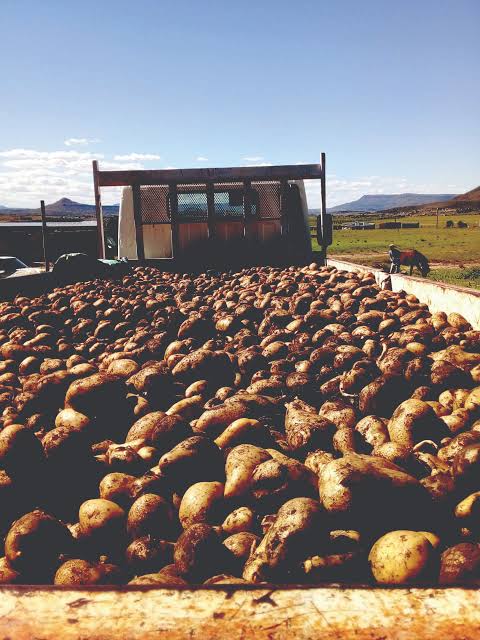
Potato prices on South African fresh produce markets rose 6 percent week on week to R4,872 per ton in recent trading as demand absorbed higher volumes.
Potato prices on South African fresh produce markets increased in the latest reported week. The average reached R4,872 per ton, up 6 percent from the previous week. Volumes traded rose 23 percent to 24,414 tons, according to a Standard Bank horticulture report covering week 27 of 2026.
The price movement comes after a period of lower values earlier in 2026 when some reports showed prices falling below production costs in certain weeks. Current levels sit around R48 to R60 per 10 kg bag depending on class, size and specific market such as Johannesburg or others.
Recent potato price movements in South African markets
Improved demand helped clear the larger supply in the reported week. The report notes that bullish conditions are expected over the next two to three weeks. This outlook rests on the Eastern Free State season winding down, some volumes moving to processing and seed markets, and a smaller than expected early harvest from Limpopo.
| Item | Latest week | Change week on week |
|---|---|---|
| Price per ton (ZAR) | R4,872 (approx. USD 263) | +6% |
| Volume traded (tons) | 24,414 | +23% |
| Approx. price per 10 kg bag (ZAR) | R48–R60 (depending on class and market) | Mixed |
Earlier periods in 2026 saw sharper declines in some weeks, with prices reported as low as R3.50–R4 per kg at certain fresh produce markets. Those levels sat well below estimated production costs for many growers.
Implications for Lesotho potato producers
Lesotho small-scale farmers produce potatoes for home consumption and surplus sales. Many operate near the border with South Africa and sell into regional markets or face competition from imports. Potato has been designated a priority crop under Lesotho’s participation in the FAO One Country One Priority Product initiative.
Higher prices in South African markets can support better returns for Lesotho producers who supply fresh produce across the border or see local prices adjust upward. Firmer values may also encourage continued investment in production as output in Lesotho has shown modest growth in recent years toward targets above 140,000 metric tons annually.
Lower price periods, such as those recorded earlier in 2026, reduce incomes for sellers and increase pressure from cheaper imports. Volatility remains a factor for planning planting and storage decisions among smallholders who often lack large-scale storage or processing options.
Bullish prices are forecast over the next two to three weeks as the Eastern Free State season comes to an end, Douglas and Christiana increasingly divert volumes to processing and seed markets, and Limpopo’s smaller than-expected early harvest continues to limit supply.
Producers in Lesotho continue to monitor both local harvest timing and movements at major South African fresh produce markets such as Johannesburg. Storage, transport costs and quality standards affect the final returns that reach individual farmers.