



A Senate committee has sounded a strong warning about the state of prisons in Lesotho, saying conditions are worsening due to overcrowding, lack of funds, and weak health and security systems.
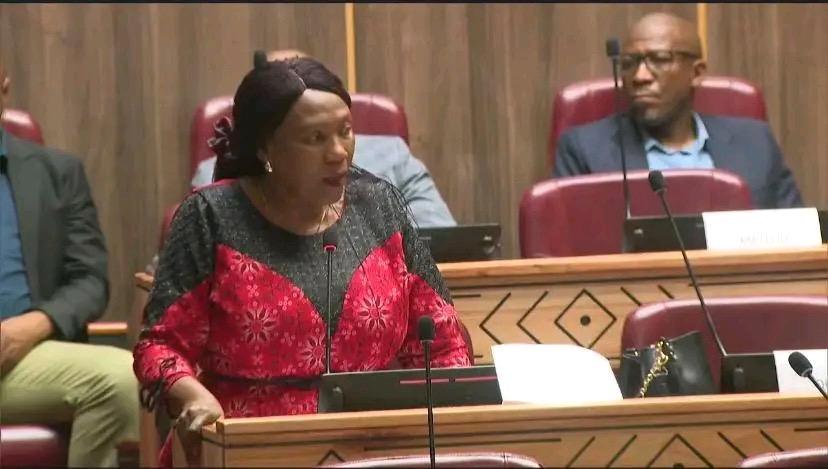
The alarm was raised by the Government Assurances Committee after it visited several correctional facilities across the country. Presenting the findings before the Senate, Senator Mawinnie Kanetsi said what the committee observed on the ground shows deep, long-standing problems within the Lesotho Correctional Services.
According to the report, the challenges are not small or temporary. They are part of a system that is struggling to function properly. The committee found that poor infrastructure, limited resources, and growing inmate numbers are putting pressure on both prisoners and staff.
One of the biggest concerns highlighted in the report is lack of funding. The committee said the Correctional Services has not been receiving its full budget over the years. This has made it difficult to carry out basic duties such as maintaining buildings and ensuring safe living conditions.
Senator Kanetsi explained that because of this, the department is forced to depend on the Ministry of Public Works and Transport for repairs and maintenance. However, this arrangement has its own problems. Repairs often take too long, and in some cases the work done is not up to standard.
The committee described the current annual maintenance budget of M112,000 as far too low. It said the amount does not match the size of the task at hand, especially as facilities continue to age and the number of inmates increases.
Overcrowding is another major issue raised in the report. Many prison cells are holding far more inmates than they were designed for. This has created difficult and sometimes dangerous living conditions.
The committee warned that overcrowding affects more than just comfort. It also raises serious safety concerns. When too many inmates are kept in tight spaces, tensions rise. This can lead to violence, increase gang activity, and make it harder for officers to maintain order.
Staff shortages are making the situation worse. With fewer officers available to monitor large numbers of inmates, security risks grow. The committee said this puts both inmates and prison staff in danger.
The report also looked closely at living conditions inside the facilities. One place that drew particular concern is the Maseru Central Correctional Institution.
At this facility, the committee found that some inmates are kept in one-room cells that include toilets inside the same space where they sleep. These toilets are not properly separated and have poor ventilation.
The committee said this setup is not acceptable. It creates serious hygiene problems and increases the risk of disease. Living in such conditions, the report noted, can also affect the mental health of inmates.
“These are not just comfort issues. They are matters of dignity, health, and basic human rights.”
The committee stressed that correctional facilities are meant to rehabilitate offenders, not expose them to conditions that may worsen their situation. It warned that if the current problems are not addressed, prisons may fail to serve their purpose.
Healthcare services inside the facilities were also found to be lacking. The report pointed to gaps in medical care, limited access to treatment, and shortages of medical staff. This is especially worrying in overcrowded environments where diseases can spread quickly.
The committee urged the government to take immediate action. It recommended increasing the budget for the Correctional Services to allow for proper maintenance, improved living conditions, and better healthcare.
It also called for long-term solutions to overcrowding. These could include building new facilities, expanding existing ones, or finding alternative sentencing options for minor offences to reduce the number of inmates.
Another key recommendation was improving staffing levels. The committee said more officers are needed to manage facilities safely and effectively.
Despite the challenges, the committee acknowledged the efforts of correctional staff who continue to work under difficult conditions. However, it stressed that without proper support, their efforts may not be enough.
The report has now been tabled before the Senate, where it is expected to guide discussions on reforms within the prison system.
Observers say the findings highlight a broader issue about how correctional systems are managed and funded. They argue that prisons are often overlooked in national planning, even though they play a key role in justice and public safety.
The committee’s message is clear: urgent action is needed. Without it, conditions in Lesotho’s prisons may continue to decline, putting lives and rights at risk. The government is yet to respond in detail to the report, but pressure is mounting for meaningful change.