



The Federation of Cycling Lesotho (FCL) has officially announced that it’s application for the 2026 UCI Solidarity Grant has been endorsed by the Union Cycliste Internationale (UCI), marking a significant boost for our country’s cycling ambitions.
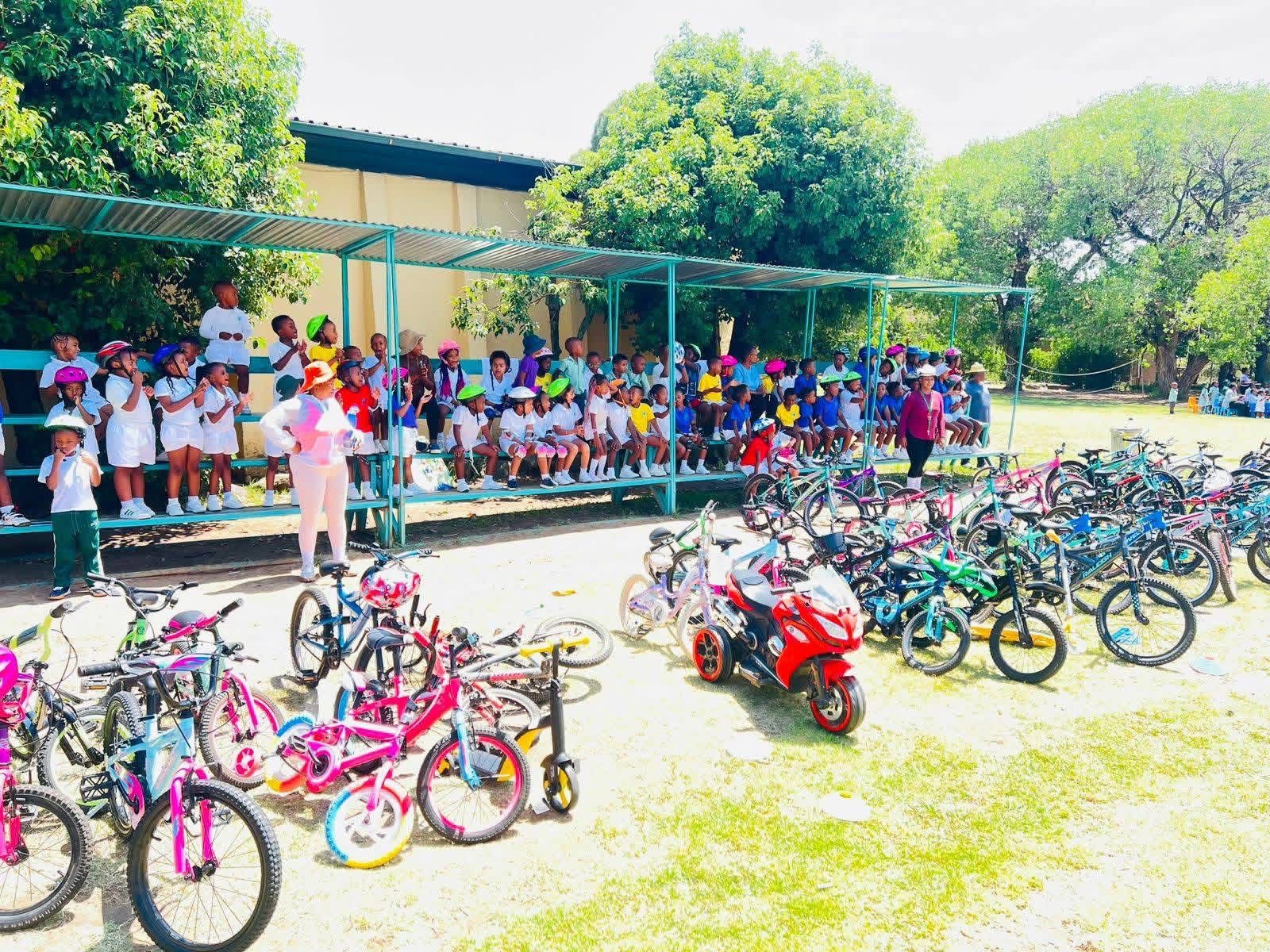
The funding represents a calculated investment in the future of the sport of cycling in Lesotho, targeting structural growth rather than short-term gains. Central to the programme is the introduction and expansion of cycling initiatives within schools, combined with a comprehensive Talent Identification (TID) system. The objective is to detect talented riders at an early stage and channel them into an organised national development pipeline, ensuring that promising athletes are nurtured through clearly defined progression routes.
Beyond grassroots discovery, the grant also reinforces the federation’s athlete performance model. High-potential cyclists will benefit from systematic coaching, performance tracking, sports science support and carefully planned exposure to international competitions. This layered approach is designed to move athletes from foundational training to elite readiness under a monitored and data-driven framework.
The initiative also aligns closely with Olympic preparation structures, particularly through collaboration with the Lesotho National Olympic Committee (LNOC) School of Excellence. By aligning development pathways with Olympic standards, FCL aims to establish a sustainable route that transitions young prospects into future Olympic contenders.
The newly secured grant also works in tandem with the recent delivery of 594 bicycles in January 2026 under the Working Bikes/Bikes for Lesotho programme. With equipment resources now increased, the UCI funding ensures that infrastructure, technical guidance, and athlete development systems operate cohesively rather than in isolation. Access to quality bicycles at grassroots level removes one of the biggest barriers to participation, particularly in rural communities where talent often goes unnoticed due to limited resources.
The broader benefits of this integrated model are both sporting and socio-economic. At a development level, structured school programmes promote physical activity, discipline and life skills among young learners. At a performance level, a clear athlete pathway reduces stagnation by providing measurable benchmarks, competition exposure and long-term athlete management. Over time, this increases the likelihood of Lesotho consistently qualifying riders for continental championships, World Championship events and potentially the Olympic Games.
For already established riders such as Tumelo Makae, the strengthened system offers a more stable high-performance environment. Instead of relying primarily on individual effort, sponsorships and sporadic opportunities, elite cyclists will now operate within a framework that supports periodised training, international race calendars and professional progression. This will surely raise the overall standard of domestic competition, as younger athletes are inspired by more visible role models competing at higher levels.
The FCL is laying the foundation for a sustainable cycling ecosystem rather than isolated projects. If effectively implemented, the 2026 UCI Solidarity Grant could mark a turning point, shifting the country’s cycling landscape from potential-driven to performance-oriented.