



MASERU — The Court of Appeal of Lesotho is set to begin its first session of the year with at least 42 cases lined up for hearing. The session is scheduled to start on April 7, 2026, and will run until April 21, when all matters are expected to be concluded.
This session marks an important period in the country’s judicial calendar, as the Court of Appeal is the highest court in Lesotho. Its decisions are final, and they often shape how the law is understood and applied in the country.
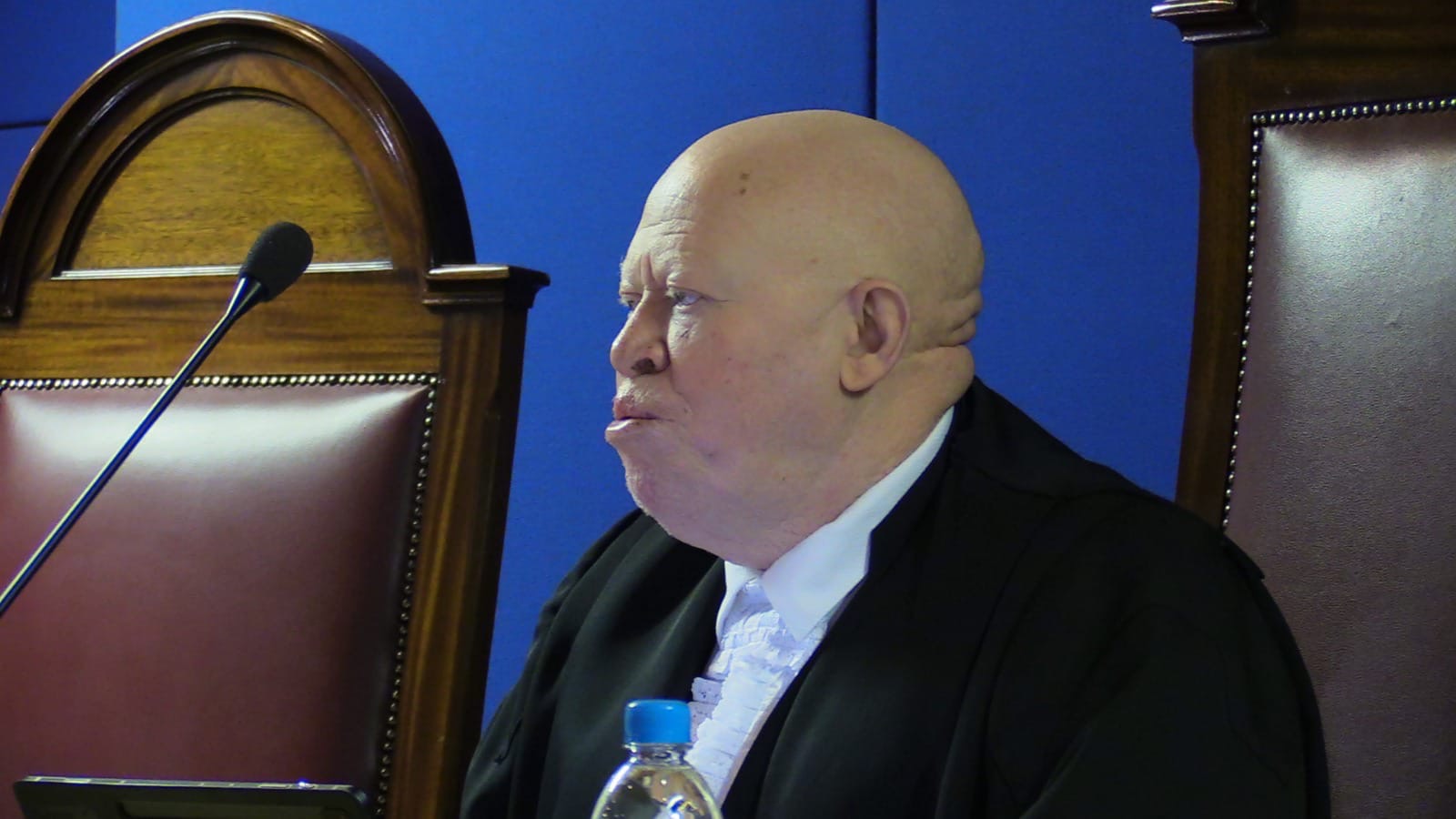
As is customary, the session will begin with an opening address from the President of the Court of Appeal, Professor Kananelo Mosito. His speech is expected to set the tone for the session, highlighting key issues within the judiciary and outlining expectations for legal practitioners appearing before the court.
The opening statement is also seen as an opportunity for reflection on the state of the justice system. It often touches on progress made, challenges faced, and the direction the judiciary aims to take in strengthening its work.
During the April 2025 session, Professor Mosito addressed concerns about the state of the judiciary under the theme, “Towards a Resurgent Judiciary: Restoring Honour, Capacity and Confidence in Lesotho’s Superior Courts.” In that address, he emphasised the importance of rebuilding trust in the courts and ensuring that justice is delivered effectively and fairly.
He spoke about the need to restore the dignity of judicial service, pointing out that public confidence in the courts depends largely on how judges and legal practitioners conduct themselves. According to him, the integrity of the justice system must be protected at all times.
Professor Mosito also highlighted the need to strengthen the capacity of the courts. This includes ensuring that there are enough resources, improving efficiency, and addressing delays in the handling of cases. He noted that when cases take too long to be resolved, it affects not only the people involved but also public trust in the legal system.
Another key issue raised during the previous session was the importance of rebuilding confidence in the administration of justice. The Court of Appeal stressed that the judiciary must remain independent, transparent, and accountable in order to maintain credibility in the eyes of the public.
As the new session begins, similar concerns are expected to remain relevant, especially as the judiciary continues to deal with a backlog of cases and increasing demand for timely justice.
The Court of Appeal has also continued to call on lawyers to strictly follow court rules and procedures. This includes proper filing of documents, adherence to deadlines, and respect for court processes.
According to the court, failure to comply with these rules often leads to unnecessary delays. In many cases, lawyers are forced to apply for condonation when they fail to meet deadlines or follow procedures. These applications take up time and slow down the progress of cases.
By following the rules, legal practitioners can help ensure that cases move smoothly and are resolved without unnecessary interruptions. The court has made it clear that cooperation from lawyers is essential for the efficient functioning of the justice system.
The 42 cases scheduled for hearing are expected to cover a wide range of legal issues. While details of each case have not been outlined, matters before the Court of Appeal typically include civil disputes, criminal appeals, and constitutional questions.
These cases often come from decisions made by the High Court, with parties seeking a final review. Because the Court of Appeal is the highest court, its rulings bring closure to legal disputes.
The session will run for about two weeks, during which judges will hear arguments from both sides in each case. After the hearings are completed, the court will reserve judgment and later issue written decisions.
These judgments are important because they do not only resolve individual cases but also guide future legal decisions. Lower courts often rely on these rulings when handling similar matters.
The Court of Appeal was established under the Constitution of Lesotho and formally created through the Court of Appeal Act of 1978. It plays a critical role in the country’s justice system by ensuring that the law is applied correctly and consistently.
Unlike other courts, the Court of Appeal does not sit throughout the year. Instead, it holds sessions at specific times, during which it deals with all matters brought before it. This makes each session particularly significant, as many cases are handled within a limited period.
The upcoming session is therefore expected to be busy, with judges working to ensure that all 42 cases are heard within the scheduled timeframe.
For many people involved in these cases, the session represents an important opportunity to finally have their matters resolved. Some may have been waiting for months or even years for their appeals to be heard.
The court’s efforts to manage its workload and encourage compliance with rules are part of a broader attempt to improve the efficiency of the justice system.
As the session gets underway, attention will be on how the court handles the cases before it and whether progress continues to be made in addressing delays and strengthening public confidence.
In the end, the work of the Court of Appeal goes beyond individual cases. It plays a key role in shaping the legal landscape of Lesotho and ensuring that justice is not only done, but seen to be done.
With 42 cases set for hearing, the upcoming session is expected to be a crucial moment for the judiciary, as it continues its efforts to deliver timely and effective justice at the highest level.
— Lesotho Tribune | Courts & Justice