


MASERU
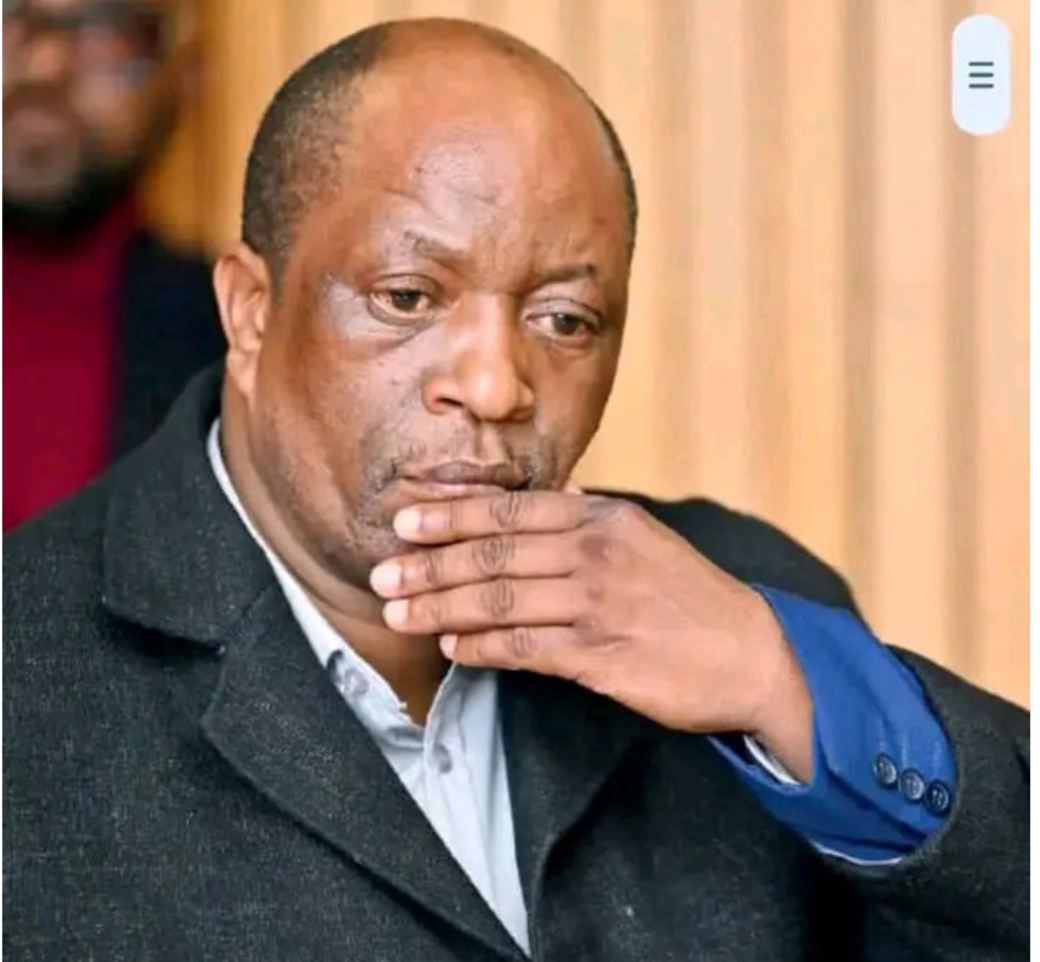
The High Court of Lesotho, presided over by Justice Fumane Khabo, has refused to grant bail to Dr. Tšepo Lipholo, the leader of the Basotho Covenant Movement (BCM).
Lipholo faces serious charges linked to allegations that he misused his political position to confuse and divide the Basotho nation and to undermine the dignity and reputation of the royal family and His Majesty the King.
Delivering the ruling today, Justice Khabo explained that the court was not convinced that Lipholo would stand trial if released on bail. She said evidence before the court showed that the accused spends most of his time in the Republic of South Africa, where he frequently travels.
According to the judge, even on the day of his arrest, Lipholo was returning from South Africa. His repeated movements between Lesotho and South Africa raised concerns about whether he would respect bail conditions if allowed his freedom.
“The applicant has demonstrated a pattern of frequent travel outside the borders of Lesotho. This raises a strong likelihood that, if released, he may not return to face trial,” Justice Khabo said.
The court also took note of the fact that Lipholo possesses two diplomatic passports. Justice Khabo said this was significant because it meant he could easily use either of the passports to cross borders without difficulty. “The existence of two valid diplomatic passports provides the accused with the means to abscond should he wish to evade trial,” she remarked.
The Crown argued that Lipholo’s frequent travels and the possession of multiple passports were clear indicators that granting him bail would pose a serious risk. The prosecution also stressed that his conduct in recent months showed little respect for state institutions and suggested he might not comply with court orders if released.
In its case, the Crown further accused the BCM leader of intentionally causing divisions among Basotho citizens through misleading political campaigns. It also alleged that he attempted to undermine the authority of the monarchy, which the Constitution protects as a central pillar of Lesotho’s democracy and culture.
Justice Khabo said the seriousness of the allegations added weight to the Crown’s argument. She explained that courts must always balance the rights of the accused with the interests of justice. In this case, the possibility of Lipholo absconding was too high to ignore.
“Bail is not a right but a privilege granted by the court when it is satisfied that the accused will not interfere with witnesses or abscond trial,” she said. “In this matter, the Crown has established strong reasons to believe that releasing the applicant would compromise the trial process.”
The court concluded that it was in the interests of justice to keep Lipholo in custody until the trial begins.
The decision has sparked debate across political circles, with some of Lipholo’s supporters expressing disappointment, saying he is being politically targeted, while others argue that the court made the right call given the seriousness of the charges and the risk of him fleeing the country. Dr. Lipholo will therefore remain in custody as he awaits his trial, which is expected to proceed later this year.