



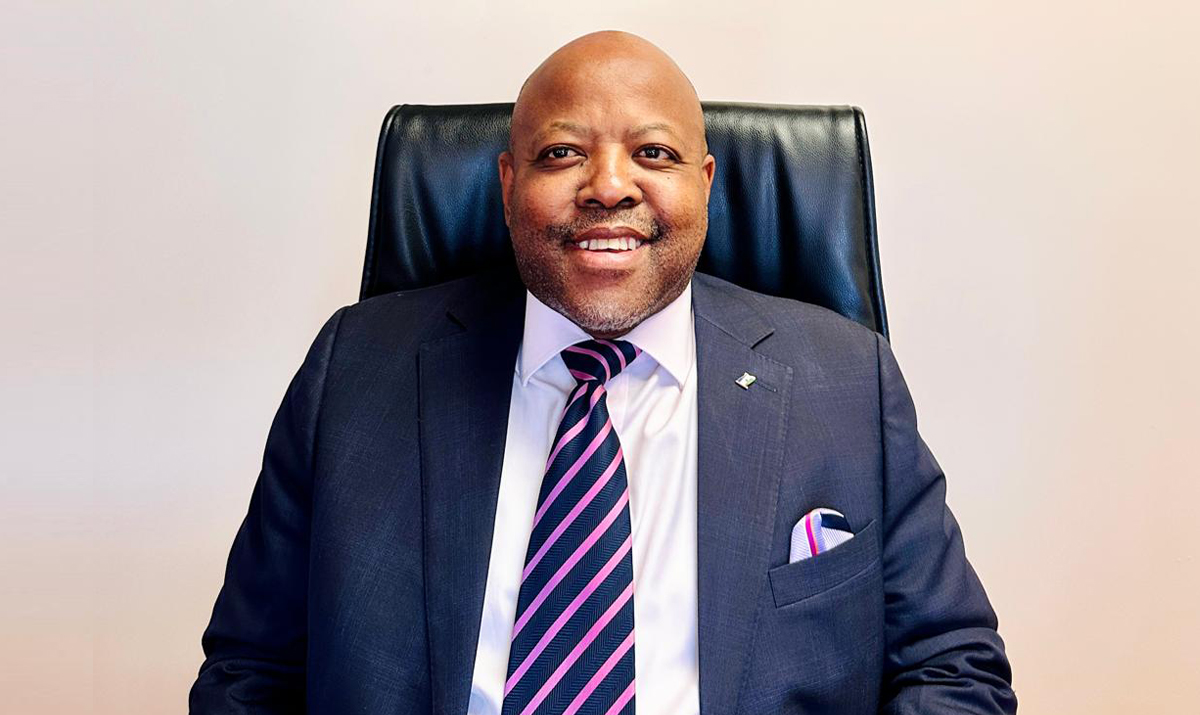
Ministers responsible for water from the countries of Botswana, Lesotho, Namibia and South Africa assembled in Gaborone for the 8th Ordinary Meeting of the Orange-SenquRiver Commission (ORASECOM) Forum of the Parties this week to review substantial progress in the joint management and development of the shared water resources within the Orange-Senqu River Basin, providing strategic directions for the Commission’s future endeavours.
The Ministers unanimously reaffirmed their unwavering commitment to transboundary water cooperation, acknowledging significant strides made since the last meeting in 2023.
Among the most notable advancements, the forum celebrated progress towards the ratification of the 2018 revised ORASECOM Agreement, a crucial step set to modernise and bolster the Commission’s legal and institutional framework while ensuring greater efficiency and effectiveness in its operations.
The forum placed a significant focus on prioritising sanitation and water quality, as ministers acknowledged the successful integration of sanitation into the forthcoming Integrated Water Resources Management & Investment Plan (2026–2035). This plan aims to ensure coordinated action on pollution, water quality and Water, Sanitation and Hygiene (WASH) across various sectors.
In a move set to boost regional infrastructure, progress was noted on the Noordoewer/Vioolsdrift Dam Bridging Feasibility Study in the Lower Orange-Senqu region. ORASECOM was therefore appointed as the Project Executing Agency, with the procurement of a consultant already underway.
The Forum commended the Commission for delivering a range of impactful basin-wide initiatives including the Lesotho-Botswana Water Transfer Project (L-BWTP) slated for conclusion by mid-2027, completion of the UNDP-GEF SAP Implementation Project and initiation of the ORASECOM Water Fund- a long term financing mechanism aimed at supporting basin restoration, water security and climate resilience, with a Project Identification Form (PIF) already submitted to the Global Environment Facility.
Ministers also reviewed the Commission’s financial status, acknowledging invaluable support from International Cooperating Partners such as UNDP-GEF, the African Development Bank and the German Government. They encouraged ongoing resource mobilisation and deeper partnerships to sustain basin-wide programmes.
The Forum welcomed steady progress under existing bilateral and trilateral cooperation frameworks, including the Permanent Water Commission (Namibia-South Africa), Lesotho Highlands Water Commission (Lesotho-South Africa) and Botswana-South Africa Joint Permanent Technical Commission, underscoring the value of technical and political collaboration across the river basin.
All Ministers reiterated their shared commitment to safeguarding the Orange-Senqu River Basin as a strategic resource vital for regional water security, economic development and ecological sustainability, further calling for collective efforts to effectively tackle the escalating effects of climate change.
The 9th Ordinary Meeting of the Forum has already been scheduled to be hosted by Lesotho in 2026 and promises continued momentum in these critical regional efforts.